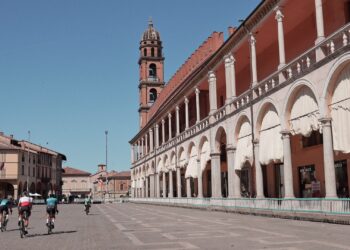
Choosing where to go in Italy sounds simple until you begin looking at a map.
After years of travelling around the country—first as an Erasmus student, then as someone who made Italy home—I have learned that the best places in Italy are not always the most famous ones. They are the places that reveal something completely different about the country.
Rome amazed me even during a disastrous first weekend when I blocked my bank card and had only €20 left.
I arrived in Venice convinced it might be too famous to feel special, only to fall in love with its bridges, canals and almost surreal atmosphere. Bologna felt warm and familiar from my very first visit, while Florence left me speechless.
Some of my strongest memories come from smaller places too: standing beneath Ravenna’s golden mosaics, eating tigelle in Modena, wandering through the gorgeous streets of Santarcangelo di Romagna, hiking around Sant’Agata Feltria and watching the white houses of Alberobello glow at sunset.
These places are not ranked from best to worst. I chose them because I have experienced each one personally and because each showed me something different about Italy—its history, food, art, landscapes, traditions and everyday rhythms.
Some are obvious choices for a first trip. Others may persuade you to take a train or drive somewhere you had not previously considered.
Together, they explain why there is no single version of Italy—and why, no matter how much of it you see, there is always another side waiting to surprise you.
1. Rome — Italy at Its Most Monumental

Best for: ancient history, monumental architecture and travellers who enjoy cities with enormous energy
Recommended stay: at least three full days
I have visited Rome three times, and my first trip remains the most memorable for reasons that had very little to do with careful travel planning.
I was an Erasmus student visiting in January and became so distracted by the city that I entered the wrong PIN at a cash machine and blocked my card. With only €20 left in my wallet, I somehow survived the entire weekend—and still found Rome completely magical.
That first visit included the Vatican Museums, but what stayed with me most was the sheer scale of the city. Rome has a way of making you feel very small, whether you are standing beneath an ancient monument or simply trying to cross a busy road.
I returned twice after moving to Italy, once in November and again in June. On those visits, I explored the Pantheon, the Colosseum, Trastevere, Castro Pretorio, Palazzo Altemps and the Museo Nazionale Romano at Palazzo Massimo.
Rome felt just as grand as I remembered: magnificent architecture, excellent food and history appearing around almost every corner. The traffic was unforgettable too, although for rather different reasons.
After living in Romagna, I found people in Rome less immediately warm—but perhaps I have simply been spoiled by Romagnolo hospitality.
Rome can be chaotic, intense and occasionally exhausting. Yet it is also one of those cities where even a badly planned weekend with €20 can still feel extraordinary.
2. Venice — Italy at Its Most Surreal
Best for: romantic trips, architecture and travellers looking for an atmosphere they cannot find in another Italian city
Recommended stay: two or three nights, ideally outside the busiest summer months
Before visiting Venice, I was sceptical.
It seemed almost too famous, too photographed and perhaps a little too obvious. I expected to admire it, but not necessarily to love it.
Then I went—and understood immediately why Venice has such a hold over people.
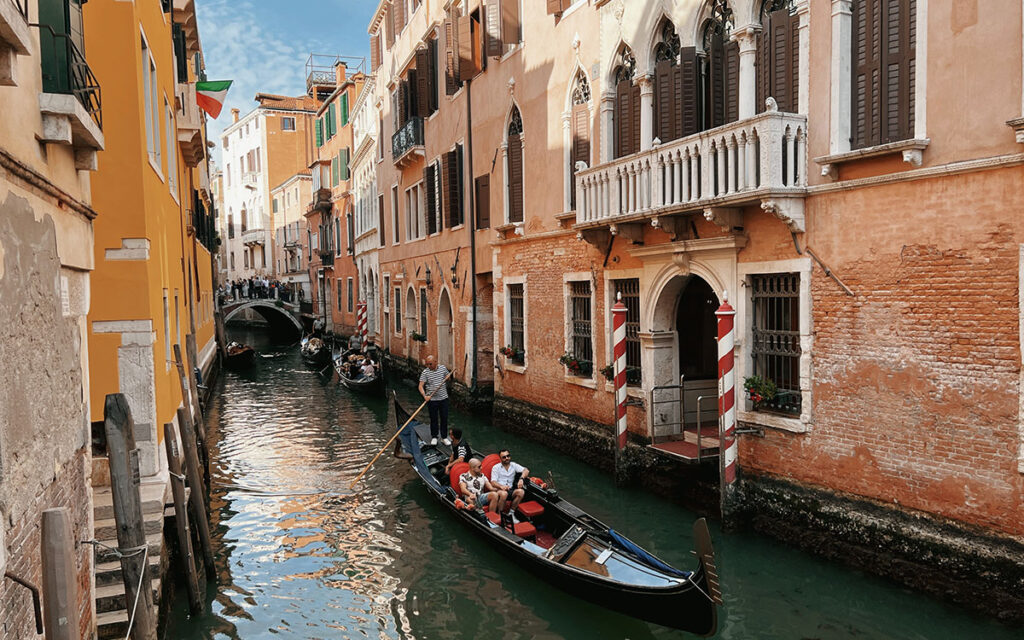
Walking through the city felt almost surreal. There are bridges everywhere, connecting narrow streets across canals, so you constantly have the strange impression of moving over water rather than through an ordinary city.
I visited at the end of April, when the weather was already pleasant but the crowds were still manageable. It turned out to be an ideal time to experience Venice without feeling completely overwhelmed by other visitors.
I loved Piazza San Marco, Palazzo Ducale and the grandeur of the Grand Canal, but the smaller canals stayed with me just as much. The narrow passages, quiet bridges and glimpses of water between old buildings gave the city an atmosphere that felt impossible to reproduce anywhere else.
My favourite memory was much simpler.
I had dinner beside one of the canals while the sun was setting, watching the light change across the water and the surrounding façades. It was quiet, beautiful and genuinely romantic—the kind of moment that makes you forget how sceptical you were before arriving.
Venice may be mainstream, but that does not make it overrated. Sometimes a place becomes famous because it truly feels unlike anywhere else.
3. Bologna — Italy at Its Most Lived-In

Best for: food, warm architecture, walkable streets and travellers who want a historic city that still feels lived in
Recommended stay: two or three days
I first visited Bologna as an Erasmus student. I was studying at the University of Bologna, although my department was based in Forlì, so Bologna still felt connected to my everyday student life.
The warm orange and terracotta tones of the buildings made the whole centre feel welcoming. Even on an ordinary day, Bologna seemed to glow.
I remember falling in love with the city almost immediately.
I climbed one of the towers and saw the city from above, with red rooftops stretching beneath me. It was absolutely stunning and gave me a completely different sense of Bologna’s scale.
I returned several times during my Erasmus experience, and on one visit a local showed me some of the city’s secrets. It felt as though I had been given a small key to Bologna.
My favourite was the little window overlooking the Canale delle Moline, often called Bologna’s “Little Venice.” It is only a brief glimpse of water between old buildings, but discovering it made the city feel even more layered and surprising.
I have returned several times since then, and Bologna has never lost its warmth.
The city is wonderfully walkable, Piazza Maggiore and the Basilica of San Petronio are magnificent, and the food has always been excellent. But what I love most is that Bologna feels beautiful without becoming distant or overly polished.
It is grand enough to impress you, but still lively, social and easy to imagine as part of everyday life.
Bologna also makes an excellent starting point for exploring the region. My guide to organising a trip to Emilia-Romagna covers how many days you need, where to stay, how to travel around and which destinations work naturally together.
4. Ravenna — Italy at Its Most Unexpectedly Magnificent
Best for: mosaics, history, atmospheric autumn travel and quieter cultural cities
Recommended stay: one full day
I have visited Ravenna twice, and both times I left thinking the same thing: this city is absolutely gorgeous.
I especially recommend visiting in autumn. The softer light, cooler air and quieter streets make Ravenna feel even more atmospheric, particularly when you move between its ancient churches and historic centre.
The mosaics are extraordinary. No photograph really prepares you for the scale, colour and detail of seeing them in person. Standing beneath those golden ceilings, it is difficult to believe that real people created them piece by piece so many centuries ago.
One of my strongest memories, however, comes from the Basilica di San Francesco.
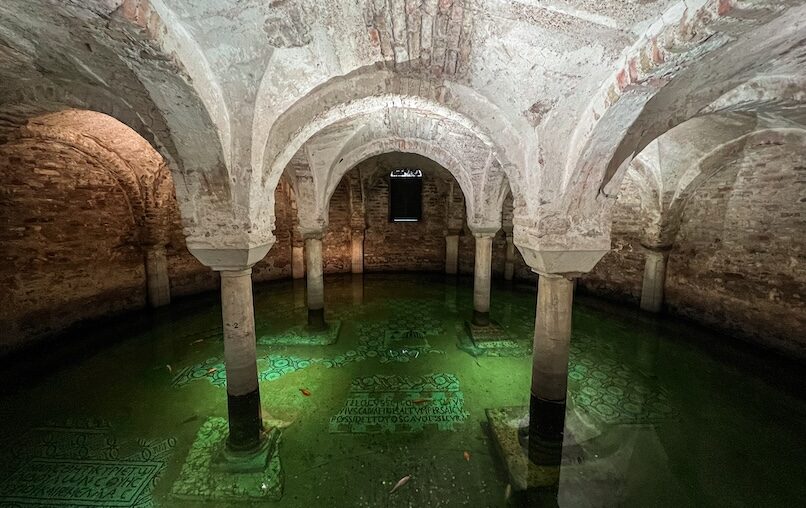
Beneath the church lies a small flooded crypt, where the water covers the mosaic floor and fish move quietly below the surface. It feels unexpected, slightly mysterious and completely different from the city’s more famous monuments.
That moment stayed with me just as much as the grand mosaics.
Ravenna is ideal for a one-day trip because its main sights are relatively close together, and the city is easy to explore on foot.
My one-day Ravenna itinerary shows how to combine its famous mosaics, Dante’s tomb, the flooded crypt and several quieter discoveries without rushing.
5. Modena — Italy at Its Most Refined
Best for: Ferrari, food, museums and a relaxed weekend in Emilia-Romagna
Recommended stay: two days
Modena is another perfect weekend escape in Emilia-Romagna.
I visited in January and had no regrets. The city felt calm, elegant and easy to explore, with just enough to fill a couple of days without making the trip feel rushed.
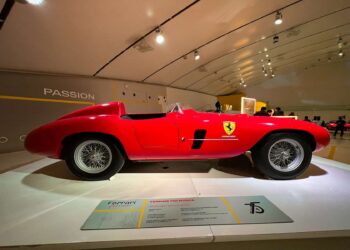
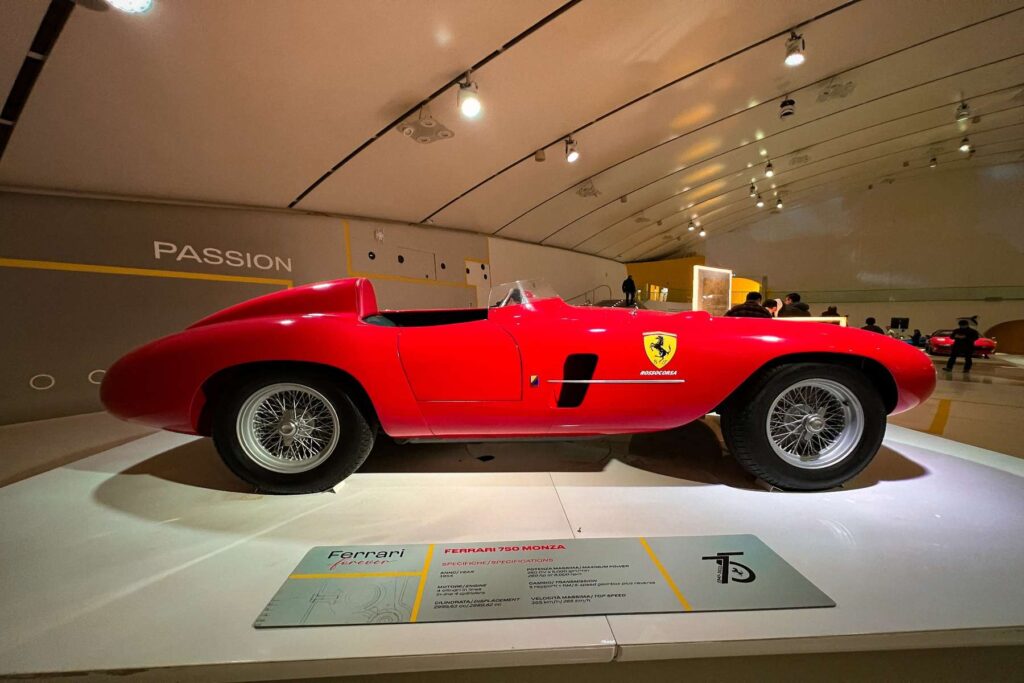
Modena is famous for Ferrari, traditional balsamic vinegar and tigelle, so naturally I tried to experience all three. I visited the Enzo Ferrari Museum, learned more about how balsamic vinegar is produced and aged, and ate plenty of tigelle. I loved all of it.
But what surprised me most was how much more the city had to offer beyond its famous names.
I discovered the Museo della Figurina, which is small but genuinely fun, and the Galleria Estense, where the collection feels far more impressive than many first-time visitors might expect.
The historic centre is compact and wonderfully walkable, while Piazza Grande, the cathedral and the Ghirlandina Tower give the city a strong sense of identity.
If you are planning to stay longer than a day, my weekend itinerary for Modena brings together the historic centre, Ferrari, balsamic vinegar and the museums that surprised me most.
6. Florence — Italy at Its Most Poetic

Best for: Renaissance art, romantic city breaks, architecture and travellers who enjoy cities that feel beautiful from almost every angle
Recommended stay: two or three days
Florence left me speechless.
Some cities impress you through their monuments, but Florence felt poetic in a way that was harder to explain. You could sense it in the narrow streets, the warm stone façades and the way art seemed to appear almost everywhere you looked.
One of my strongest memories is the view from Piazzale Michelangelo. From above, Florence spreads out around the Arno, with its red rooftops, church towers and the unmistakable dome of the cathedral.
I also loved Ponte Vecchio. It may be one of Florence’s most photographed landmarks, but seeing its old shops and warm façades reflected in the river still felt special.
Palazzo Pitti was another highlight. Its enormous façade already gives you a sense of its scale, but the interiors and collections make it even more impressive. It feels less like visiting a single museum and more like entering an entire world of royal rooms, art and history.
Another surprisingly vivid memory is one of the best burgers I have ever eaten. Tuscany is famous for its meat, particularly bistecca alla fiorentina, so perhaps finding an unforgettable burger there should not have surprised me as much as it did.
Florence is undeniably popular, but its beauty never felt exaggerated to me. It is elegant, romantic and so full of artistic detail that even an ordinary walk can feel carefully composed.
7. Santarcangelo di Romagna — Italy at Its Most Charming
Best for: slow travel, food, and small-town atmosphere
Recommended stay: half a day or one full day
Santarcangelo di Romagna is one of my favourite places in Italy.
It is a small but magical borgo and, to me, one of the best examples of slow travel in Romagna. Life here seems to move at a gentler pace. People linger over coffee, lunches stretch into the afternoon, and nobody appears particularly interested in rushing.
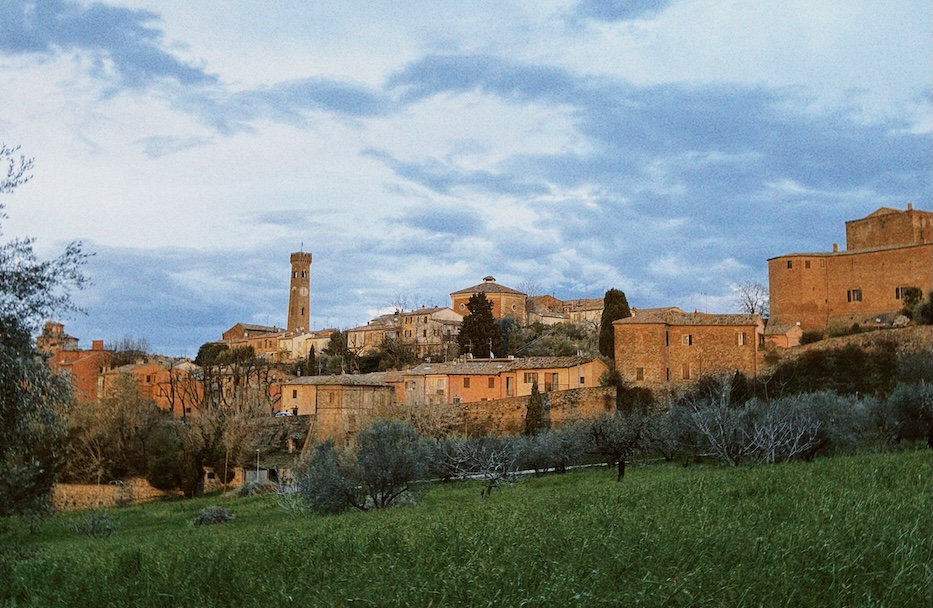
What I love most is simply walking through its gorgeous streets. Santarcangelo is built partly on a hill, so narrow lanes and staircases lead gradually toward the upper town.
Along the way, you pass warm brick façades, quiet corners and small squares that make the town feel intimate and deeply lived-in. From above, you can admire the rooftops, the surrounding countryside and the rolling Romagna hills.
The town also comes alive during its many festivals and sagre. One of the most famous is the piadina festival, which celebrates Romagna’s most iconic street food.
Santarcangelo may be small, but it never feels empty. It combines beautiful streets, views, food and local life in a way that always makes me want to stay longer than planned.
It is also one of several beautiful hidden gems in Emilia-Romagna that show how rewarding the region becomes once you travel beyond its major cities.
8. Sant’Agata Feltria — Italy at Its Most Authentic
Best for: local food, hiking, seasonal festivals and an authentic experience of rural Emilia-Romagna
Recommended stay: one full day
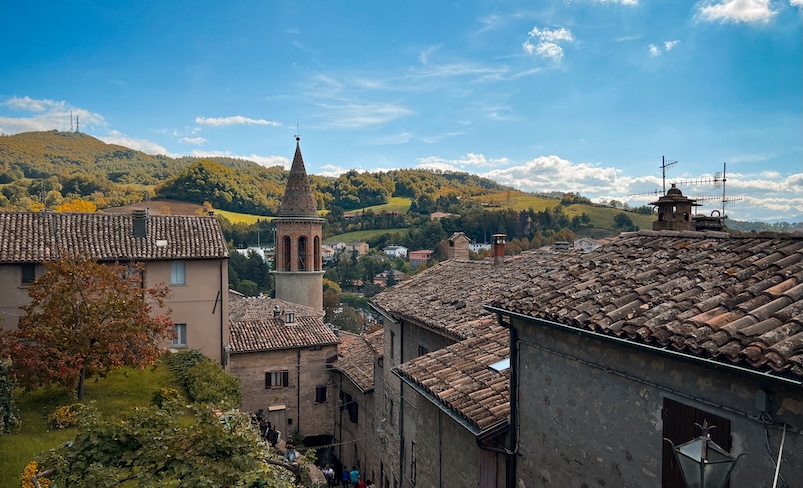
I have visited Sant’Agata Feltria several times, and every trip has shown me a slightly different side of this beautiful hilltop village.
My first visit was in February, when I spent the day hiking through the surrounding countryside. The winter landscape was quiet and atmospheric, and the combination of nature, fresh air and a long meal afterwards felt like the perfect way to experience the area.
I returned on another occasion for the village’s famous truffle festival. It was a completely different experience, with the streets filled with food stalls selling not only truffles but also cheeses, cured meats, and many other local delicacies. It is an excellent opportunity to taste regional products and bring a few of them home—assuming they survive the journey without being eaten first.
Sant’Agata Feltria is one of the places I recommend to anyone who wants to experience a more authentic side of Emilia-Romagna.
I have explored the village in different seasons, but there is still much more to see than can fit into this short introduction. My complete guide to Sant’Agata Feltria covers its medieval atmosphere, local food, truffle traditions and the places that make it worth the journey into the hills.
9. Valle d’Itria — Italy at Its Most Sun-Bleached

Best for: road trips, whitewashed towns, countryside stays and travellers looking for a romantic side of southern Italy
Recommended stay: three to five days, ideally including at least one night in a trullo
Valle d’Itria is one of those places that is almost difficult to believe exists.
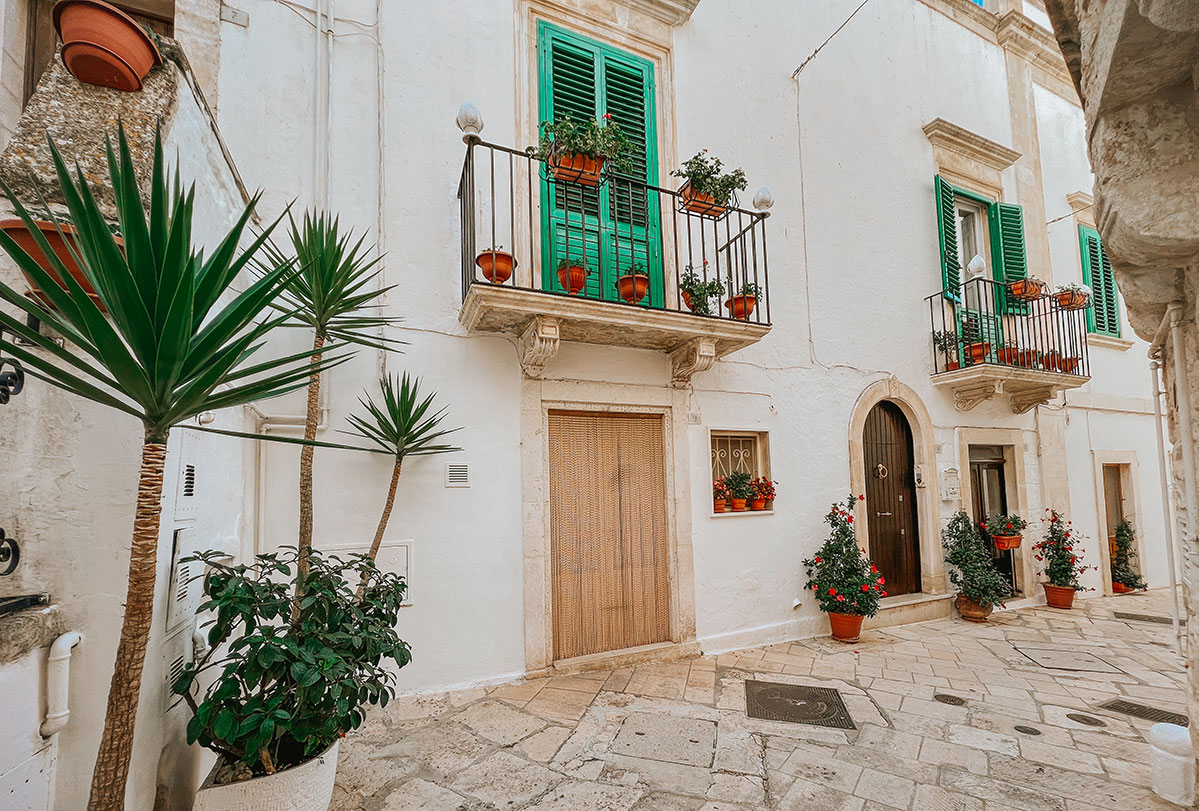
The landscape is insanely beautiful: ancient olive trees, dry-stone walls, trulli scattered across the countryside and whitewashed towns glowing beneath the southern sun.
I stayed in a trullo in Alberobello, which I highly recommend. Sleeping inside one of these traditional stone houses made the experience feel far more authentic and turned the accommodation into part of the trip rather than simply somewhere to spend the night.
What stayed with me most was the white architecture in Alberobello at sunset. As the light softened, the buildings began to glow in warm shades of cream and gold. It was one of those views that looked almost too perfect to be real.
From Alberobello, I travelled through Valle d’Itria and visited Martina Franca and Locorotondo. I visited in September, which turned out to be an excellent time to go. The weather was still warm, but there were fewer tourists than during the busiest summer months, making the towns and countryside much more enjoyable to explore.
Hands down, Valle d’Itria is one of the most beautiful places I have seen in Italy.
10. Burano — Italy at Its Most Colourful

Best for: photography, calm walks and exploring the Venetian Lagoon beyond central Venice
Recommended stay: at least half a day
Burano could easily have been included under Venice, but I decided to give it its own place because it feels completely unique.
This small island village is famous for its brightly painted houses, which make every canal and narrow street look almost unreal. Pink, blue, yellow and green façades reflect in the water, turning even a calm walk around the island into something magical.
According to local tradition, fishermen’s families began painting their homes in vivid colours so the men could recognise them when returning through the thick fog of the Venetian Lagoon. The exact origin is not fully documented, but the colourful tradition has survived and become inseparable from Burano’s identity.
Burano may be small, but that is part of its charm. You do not need a complicated itinerary. Simply walk beside the canals, cross the little bridges and enjoy the details of each house.
Definitely visit it, but do not rush. Burano is best experienced slowly, with enough time to wander beyond the busiest streets and appreciate just how unusual this place really is.
Final Thoughts: Discovering Different Sides of Italy

Italy is often presented through a familiar collection of images: the Colosseum, Venetian gondolas, Renaissance domes and whitewashed villages glowing beneath the southern sun.
Those images are real, but they show only part of the country.
What has always fascinated me most is how dramatically Italy changes from one place to another. Rome feels monumental and slightly overwhelming, while Venice seems almost detached from ordinary reality. Florence is poetic and filled with art, while Bologna feels warm, social and wonderfully lived-in.
Then there are the smaller places.
Santarcangelo di Romagna shows you an Italy where people still linger over lunch and gather for local festivals. Sant’Agata Feltria brings together nature, food and rural traditions, while Ravenna hides some of the country’s most extraordinary art behind surprisingly simple façades.
There is no single destination that represents the whole of Italy—and that is precisely what makes travelling here so rewarding.
The best itinerary is not necessarily the one that includes the greatest number of famous places. It is the one that gives you enough time to understand how one destination differs from the next.
Choose a city you have always wanted to see, add somewhere less obvious and leave a little space for things to go differently from planned.
After all, even a weekend in Rome with a blocked bank card and only €20 can still become one of your most magical travel memories.
FAQs
What are the best places to visit in Italy for a first trip?
Rome, Venice and Florence are excellent choices for a first visit because they offer three very different experiences. Rome is best for ancient history, Venice for its unique lagoon atmosphere and Florence for Renaissance art and architecture. Bologna is also a wonderful addition if you want excellent food and a city that feels more lived-in.
How many places should I visit during one week in Italy?
Two or three destinations are usually enough for a one-week trip. Choosing places connected by direct trains will reduce travel time and make the journey feel less rushed. Bologna, Modena and Ravenna, for example, can be combined easily within an Emilia-Romagna itinerary.
Which destinations on this list can I visit without a car?
Rome, Venice, Bologna, Ravenna, Modena, Florence, Santarcangelo di Romagna and Burano can all be reached by public transport. A car is more convenient for Sant’Agata Feltria and highly recommended for exploring the towns and countryside of Valle d’Itria.
Which places are best for experiencing a quieter side of Italy?
Ravenna, Santarcangelo di Romagna and Sant’Agata Feltria are particularly suitable for travellers looking beyond Italy’s busiest destinations. They offer history, local food, beautiful surroundings and a slower pace without the intensity of Rome, Venice or Florence.
What is the best time of year to visit these places?
Spring and autumn are generally the most comfortable seasons for visiting Italian cities. I particularly recommend Venice at the end of April, Ravenna in autumn and Valle d’Itria in September. Winter can also be atmospheric in Rome, Modena and the smaller villages of Emilia-Romagna.
Which destination is best for a weekend trip?
Bologna, Modena, Florence and Venice all work well for a two- or three-night city break. Ravenna and Santarcangelo di Romagna are better suited to day trips or as part of a longer Emilia-Romagna itinerary.