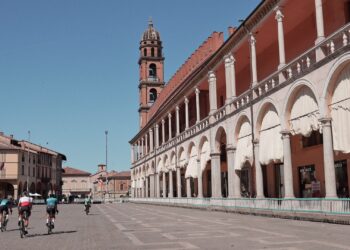
Most travelers know Modena for one of two things: Ferrari or balsamic vinegar.
Both are excellent reasons to visit. But after spending a weekend in Modena myself, I can confidently say that neither fully explains the city.
Modena is the kind of place that reveals itself slowly. While many visitors rush through on a day trip from Bologna, Modena deserves more than a few hours.
This is a city best experienced slowly, with long lunches, leisurely strolls through historic piazzas, and plenty of opportunities to discover why Emilia-Romagna is often called Italy’s food capital.
In this guide, I’ll show you exactly how to spend a weekend in Modena—from its UNESCO treasures and Ferrari heritage to the food experiences that make this city one of Italy’s most rewarding destinations.
This article contains affiliate links. If you buy through them, Chasing Italy may receive a small commission, at no extra cost to you.
How Many Days Do You Need in Modena?
You can see Modena’s highlights in a day, but a weekend allows you to experience the city properly.
If you’re short on time, one day is enough to visit Piazza Grande, the Cathedral, Ghirlandina Tower, Mercato Albinelli, and the Enzo Ferrari Museum. That’s why Modena is often recommended as one of the best day trips from Bologna.
But personally, I think two days is the sweet spot.
A weekend gives you time to linger over lunch rather than rushing to the next attraction.
You can visit a traditional balsamic vinegar producer, explore museums, enjoy aperitivo in the historic center, and discover the quieter corners of the city that many day-trippers never see.
It also allows you to experience one of Modena’s greatest pleasures: its food culture. Some of the best moments here aren’t found in museums or landmarks but around a restaurant table, sharing a plate of fresh pasta and a glass of Lambrusco while the afternoon slowly drifts by.
If you have three or more days, you can easily combine Modena with nearby destinations such as Bologna, Parma, or Ravenna.
However, for most travelers, a two-day weekend offers the perfect balance between sightseeing and slow travel.
Day 1: Explore Historic Modena
Start Your Morning in Piazza Grande
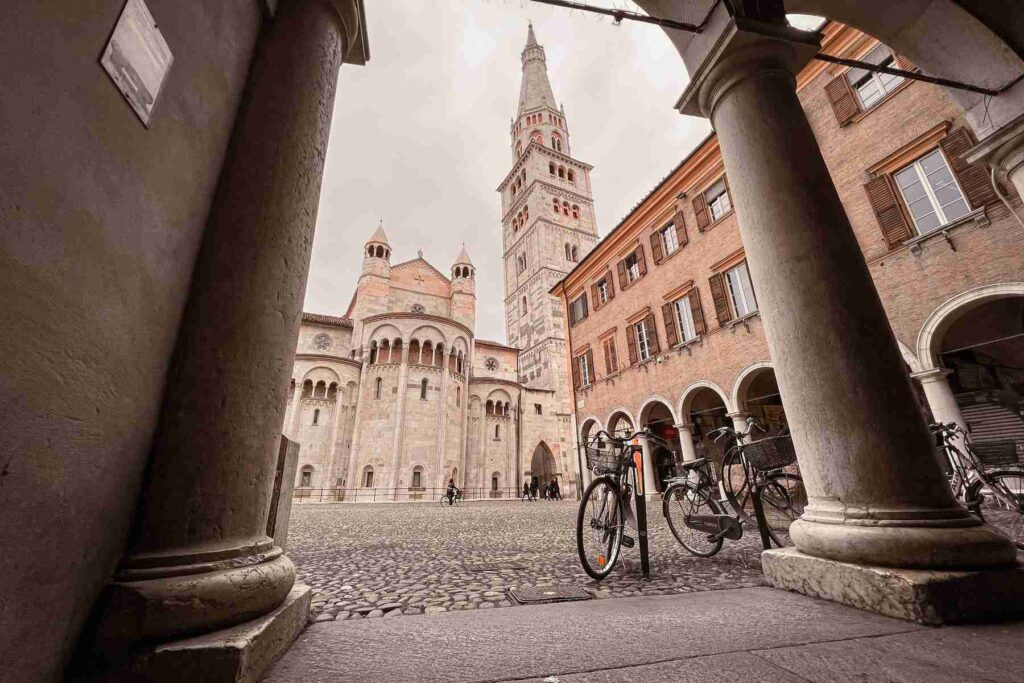
Every Italian city has a heart. In Modena, it beats in Piazza Grande.
Arrive early if you can. In the morning, the square belongs mostly to locals crossing the city on foot or bicycle, while the warm light brings out the golden tones of the surrounding buildings.
Unlike many famous Italian piazzas, Piazza Grande doesn’t overwhelm you with grand fountains or elaborate monuments. Its beauty feels quieter and more balanced.
On one side rises the magnificent Cathedral. The Ghirlandina Tower watches over the city from above, while elegant historic buildings frame the square that has served as Modena’s civic center for centuries.
It’s easy to see why UNESCO recognized this space as one of the most important examples of Romanesque architecture in Europe.
Visit Modena Cathedral
Standing proudly beside Piazza Grande, Modena Cathedral is one of the city’s greatest treasures.
Construction began in 1099, and more than nine centuries later, it remains one of the finest Romanesque churches in Europe.
The first thing you’ll notice is the extraordinary façade. Marble carvings cover the exterior, depicting biblical scenes, mythical creatures, and stories that once helped medieval worshippers understand the world around them.
Even if you aren’t particularly interested in architecture, the craftsmanship is impossible to ignore.
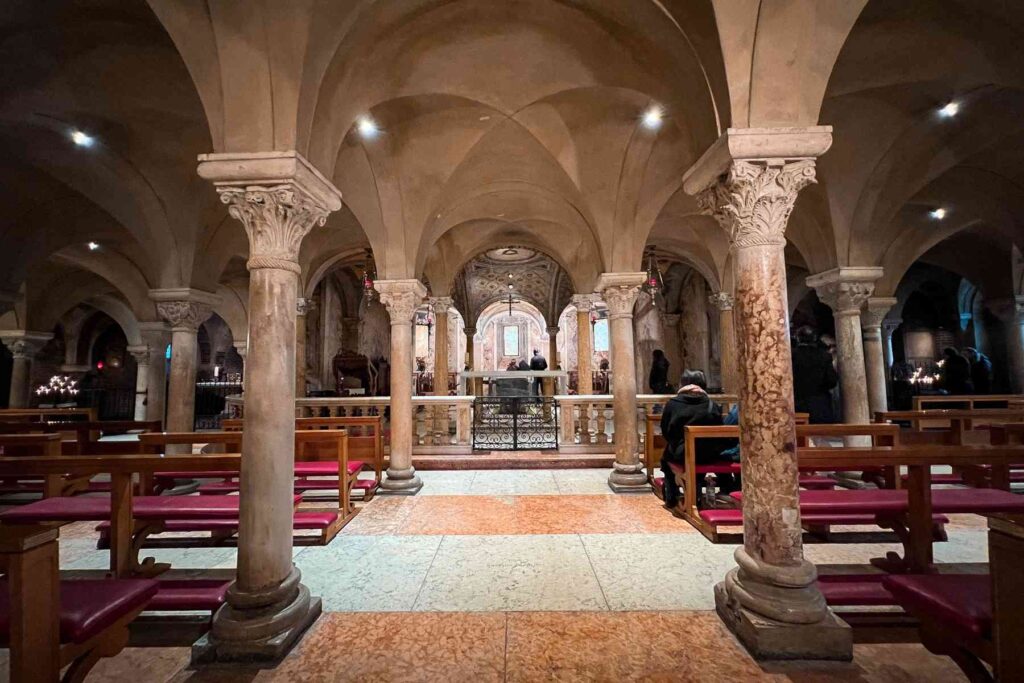
Push open the heavy doors and step inside. The atmosphere changes immediately.
Sunlight filters through high windows, illuminating stone columns and centuries of history. The noise of the square fades away, replaced by the quiet stillness that only old churches seem to possess.
Don’t miss the crypt beneath the Cathedral, where the remains of Saint Geminianus—the patron saint of Modena—rest today.
Practical tip: Remember to dress respectfully when visiting. Shoulders and knees should be covered, especially during religious services.
Climb the Ghirlandina Tower
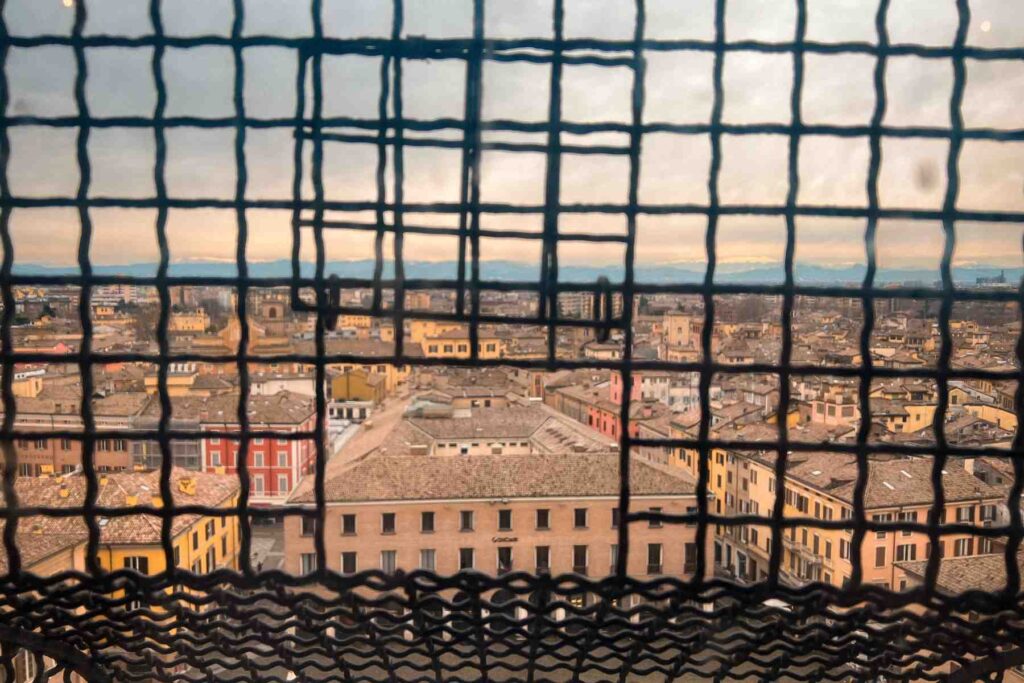
After visiting the Cathedral, it’s time to see Modena from above.
The Ghirlandina Tower has watched over the city since the 12th century and remains Modena’s most recognizable landmark.
The climb requires a bit of effort, but the views are well worth it.
As you ascend, narrow staircases gradually lead you higher above the city. Then suddenly, the rooftops of Modena stretch out before you in every direction.
Terracotta tiles, church domes, bell towers, and elegant streets create a patchwork of colors and textures that feels unmistakably Italian.
On particularly clear days, you may even catch a glimpse of the Apennine Mountains in the distance.
Before your visit, be sure to reserve your entry time online, as access to the tower is only available through advance booking and visitor numbers are limited for each time slot.
Tickets cost €6 per person. The tower is generally open daily from 9:30 AM, with seasonal closing times ranging from 5:30 PM to 7:00 PM depending on the time of year.
Explore Palazzo Comunale
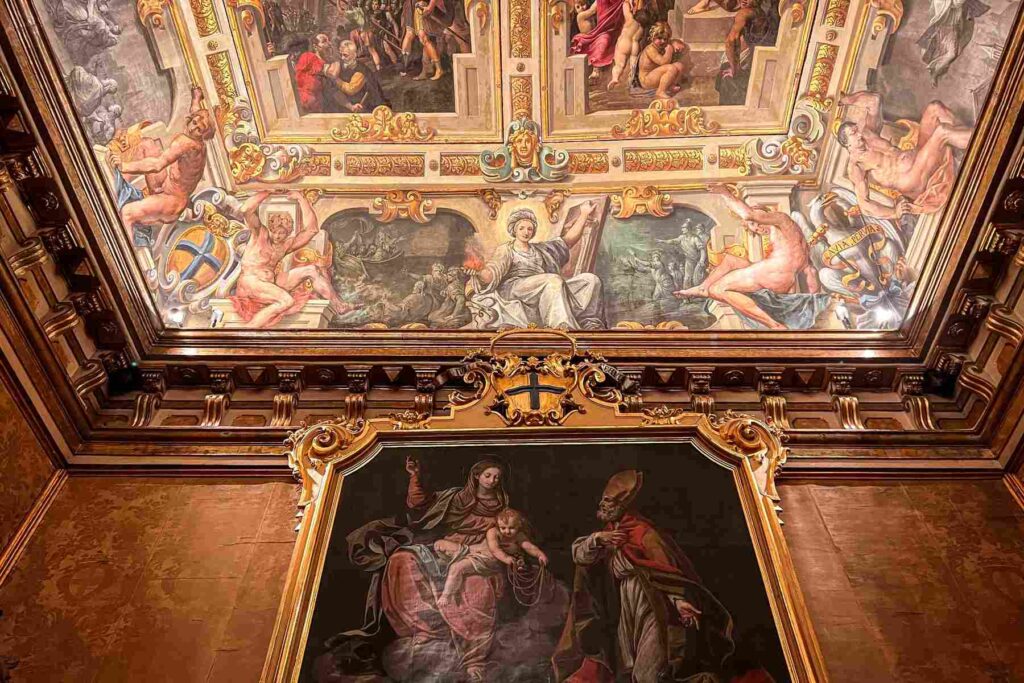
After enjoying the view of the city, I highly recommend popping by Palazzo Comunale, which is right next to the Ghirlandina Tower.
At first glance, the building may seem less impressive than the Cathedral or the tower itself, but Palazzo Comunale has been the political heart of Modena for centuries.
The complex is actually made up of several medieval and Renaissance buildings that were gradually joined together as the city’s government expanded over time.
Step inside and you’ll discover elegant historic rooms, richly decorated halls, and a fascinating glimpse into Modena’s civic history.
One of the highlights is the Sala del Fuoco, adorned with beautiful frescoes that celebrate the city’s past, as well as the Sala di Rappresentanza, where important ceremonies and official events still take place today.
The entrance to Palazzo Comunale is free.
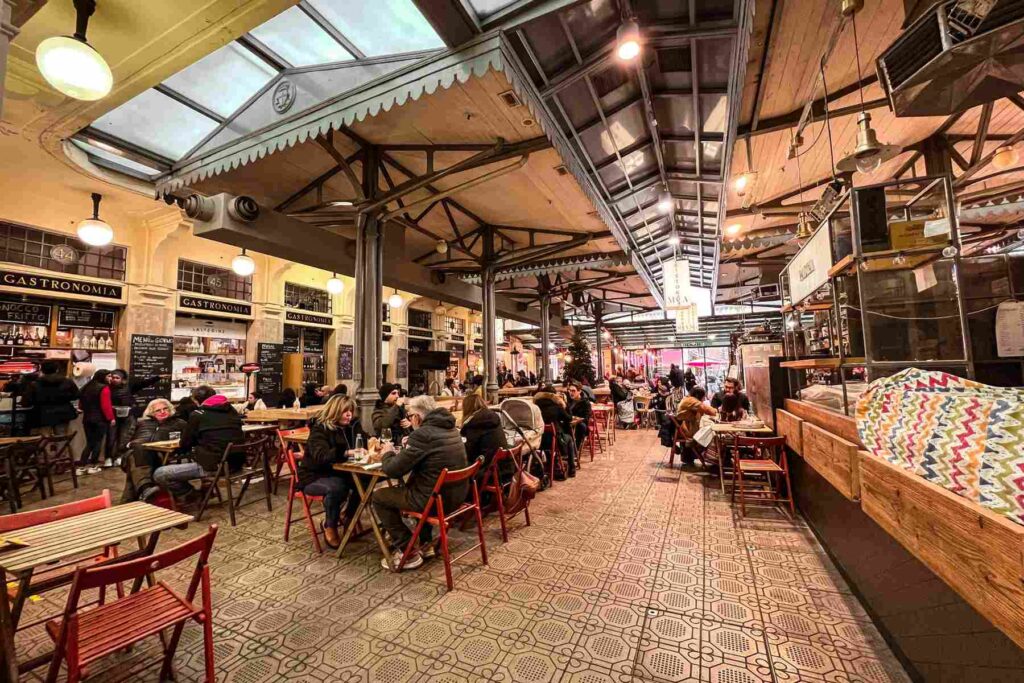
Wander Through Mercato Albinelli
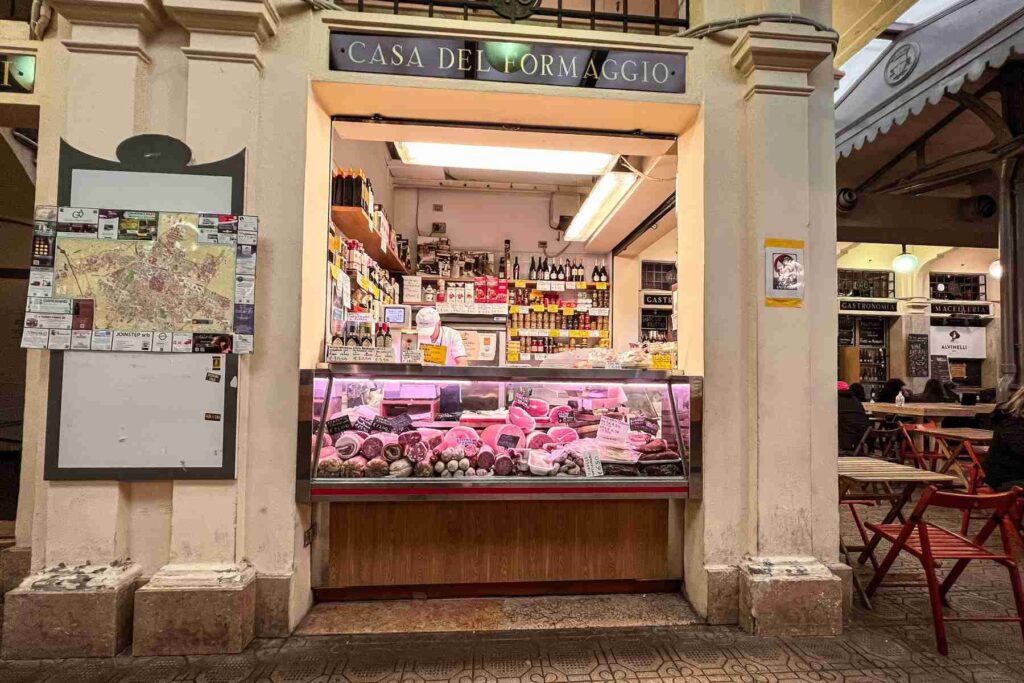
If cathedrals tell you about Modena’s past, Mercato Albinelli tells you everything you need to know about its present.
Located just a few minutes from Piazza Grande, this historic covered market has been feeding the city since the early 20th century. Step inside and you’ll immediately understand why food is such an important part of daily life here.
The market hums with activity from morning until early afternoon. Vendors arrange pyramids of seasonal fruit and vegetables, fishmongers call out daily specials, and locals stop to chat while collecting ingredients for lunch.
But what makes Mercato Albinelli particularly enjoyable for visitors is that it doesn’t feel staged or overly touristy. This is where Modenese people actually shop.
If you’re feeling hungry—and you probably will be by now—this is also one of the best places in the city for a casual lunch.
Visit the Museo della Figurina
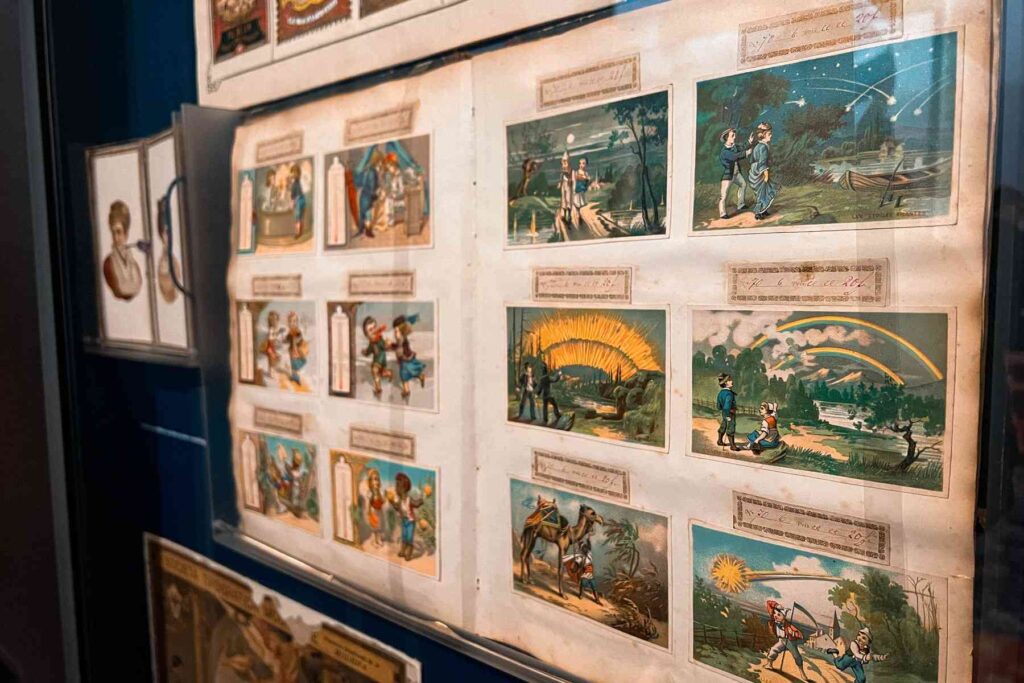
One of Modena’s most unexpected museums is the Museo della Figurina, a small but fascinating collection dedicated to illustrated cards, stickers, and collectible images from around the world.
Founded thanks to the passion of the Panini brothers—the same family behind the famous football sticker albums—the museum tells the story of how collectible images evolved over centuries.
Inside, you’ll find everything from vintage cigarette cards and advertising illustrations to historic trading cards, children’s collectibles, and rare sticker collections.
Even if you’re not a collector, the museum offers a surprisingly engaging glimpse into popular culture, graphic design, and everyday life across different eras.
Best of all, admission to the permanent collection is free. Since opening hours can occasionally change during special exhibitions or seasonal periods, it’s worth checking the official website before your visit.
Explore Galleria Estensi
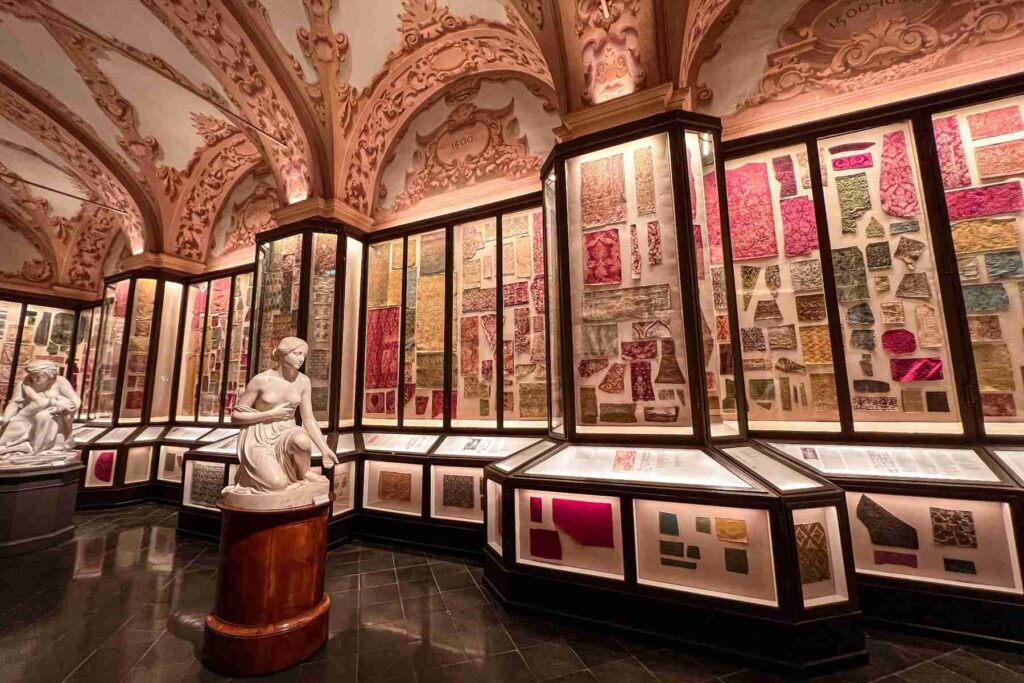
Another museum that you should definitely add to your Modena itinerary is Galleria Estensi.
Located inside Palazzo dei Musei, this remarkable collection traces the history of the powerful Este family, who ruled much of the region for centuries.
The museum often surprises visitors because it isn’t nearly as crowded as Italy’s more famous galleries. Yet the quality of the collection is extraordinary.
Inside, you’ll find paintings by Renaissance masters, sculptures, decorative arts, ancient maps, and centuries of aristocratic treasures.
An hour or two is usually enough to appreciate the highlights before heading back into the city.
General ticket costs €8. The gallery is open Tuesday to Saturday from 8:30 AM to 7:15 PM and on Sundays and public holidays from 10:00 AM to 6:00 PM.
Day 2: Ferrari, Pavarotti & Local Delicacies
After a day spent exploring medieval towers, historic markets, and centuries-old traditions, it’s time to discover a different side of Modena.
The second day of your weekend in Modena focuses on the experiences that made the city famous around the world.
Today’s itinerary explores the people and passions that helped bring Modena to the world stage—from Ferrari’s legendary cars to the voice of Luciano Pavarotti.
Visit the Enzo Ferrari Museum
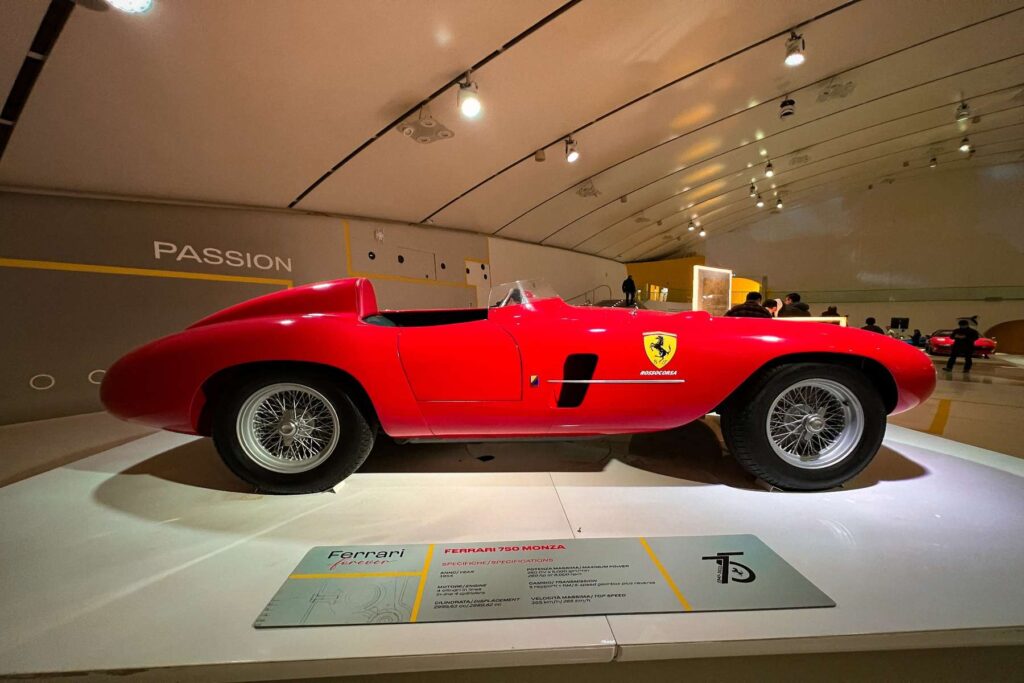
Even if you aren’t particularly interested in cars, don’t skip this museum. Trust me.
The Enzo Ferrari Museum is less about engines and horsepower and more about ambition, innovation, and one man’s determination to build something extraordinary.
If you’re curious about the deeper connection between Ferrari and the city itself, I also have a separate article explaining why Ferrari fans love Modena and why the city remains such an important destination for automotive enthusiasts.
Located near the train station, the museum combines Enzo Ferrari’s childhood home with a striking modern exhibition hall whose yellow roof is said to resemble the hood of a sports car.
Inside, beautifully displayed Ferraris sit beneath dramatic lighting like sculptures in an art gallery.
Each car tells part of a story—not only about racing, but about Italian design, engineering, and craftsmanship.
As you move through the exhibits, you’ll learn about Enzo Ferrari’s life, his successes, his setbacks, and the vision that transformed a local business into one of the most recognizable brands in the world.
Planning to visit? Booking your tickets in advance is a good idea, particularly if you’re visiting Modena on a weekend or during peak travel season.
Discover the Magic of Traditional Balsamic Vinegar
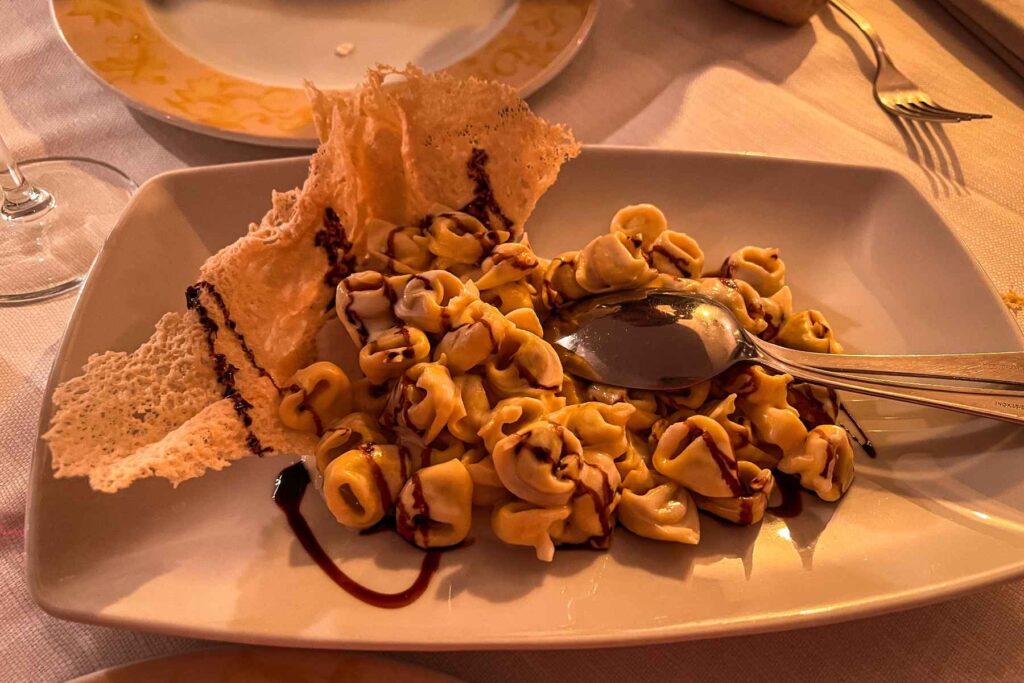
You can’t visit Modena without learning about its most famous delicacies.
Traditional balsamic vinegar isn’t simply produced here—it is part of the city’s cultural heritage.
Many travelers arrive expecting something similar to the balsamic vinegar they buy at home. What they discover instead is an entirely different product.
Traditional balsamic vinegar is aged for a minimum of 12 years, and often much longer, in a series of wooden barrels stored beneath attic roofs. During summer, the heat encourages evaporation and concentration.
During winter, the vinegar rests and matures. Year after year, this slow process continues until a rich, complex condiment emerges.
The result is thick, glossy, and intensely flavorful.
If your schedule allows, I highly recommend visiting an acetaia—a traditional balsamic vinegar producer.
Many are located just outside the city and offer guided tours where you’ll learn about the aging process, see the historic barrel rooms, and sample vinegars of different ages.
Visit Casa Museo Luciano Pavarotti
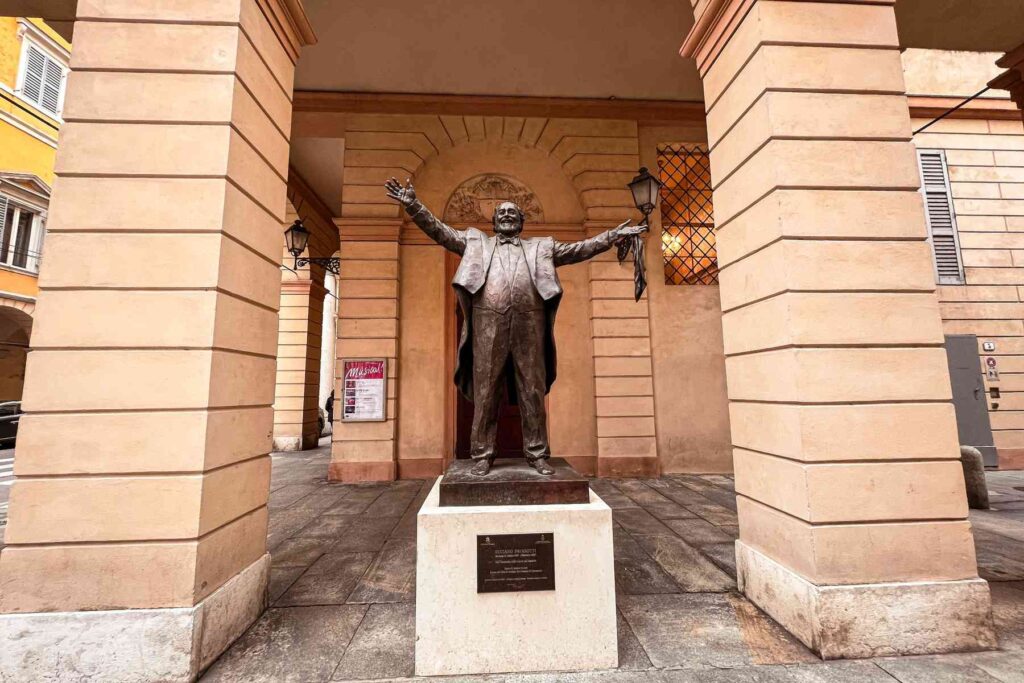
If Ferrari gave Modena speed, Luciano Pavarotti gave it a voice.
Born in Modena in 1935, Pavarotti became one of the most famous opera singers in the world, carrying the city’s name far beyond Emilia-Romagna.
His former home, now Casa Museo Luciano Pavarotti, offers a more personal kind of visit.
Inside, you’ll find stage costumes, photographs, awards, letters, and personal objects that tell the story of a man whose voice filled the world’s greatest theaters but whose roots remained deeply tied to Modena.
The museum is located outside the historic center, so you’ll need a taxi, car, or organized tour to reach it comfortably.
Optional: Visit Maranello for the Ferrari Museum
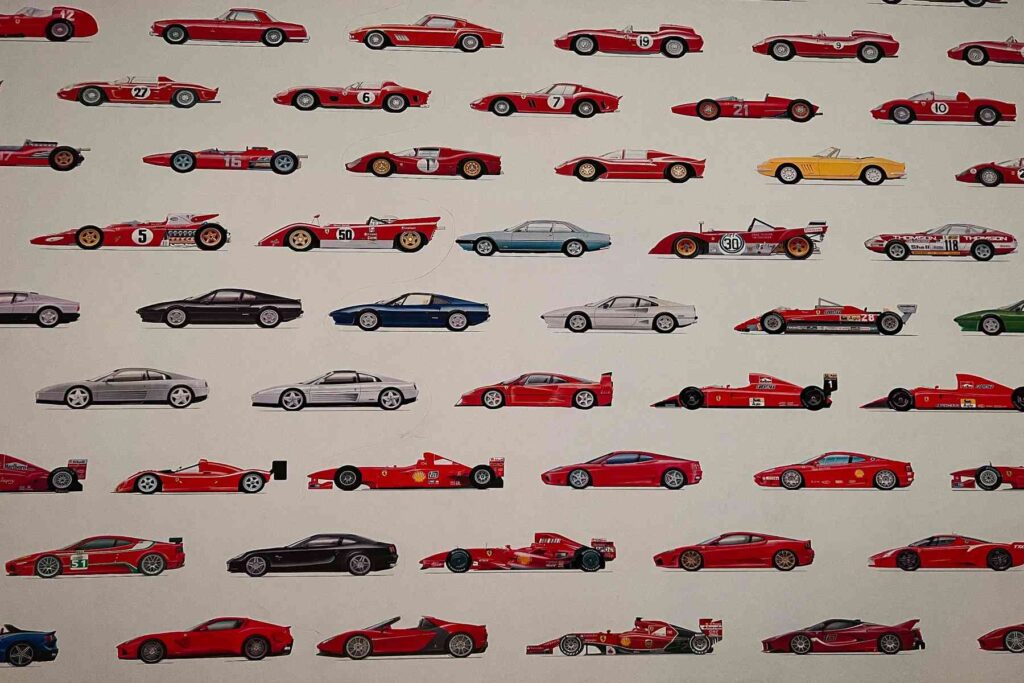
If you came to Modena partly because of Ferrari, consider spending part of your second day in Maranello.
Located about 20 km from Modena, Maranello is home to the Ferrari Museum and is closely connected to the brand’s racing identity.
While the Enzo Ferrari Museum in Modena focuses more on the founder’s life, design, and origins, the museum in Maranello leans more heavily into Formula 1, racing history, and the modern Ferrari experience.
Serious Ferrari fans can purchase tickets that include entrance to both museums.
For casual visitors, the Enzo Ferrari Museum in Modena may be enough.
The main thing to remember is time. Maranello is outside the city, so you should dedicate at least half a day if you want to visit without feeling rushed.
You can get there by car, taxi, bus, or organized tour. Some travelers also choose combined Ferrari experiences that include both museums and transportation.
Best Time to Visit Modena
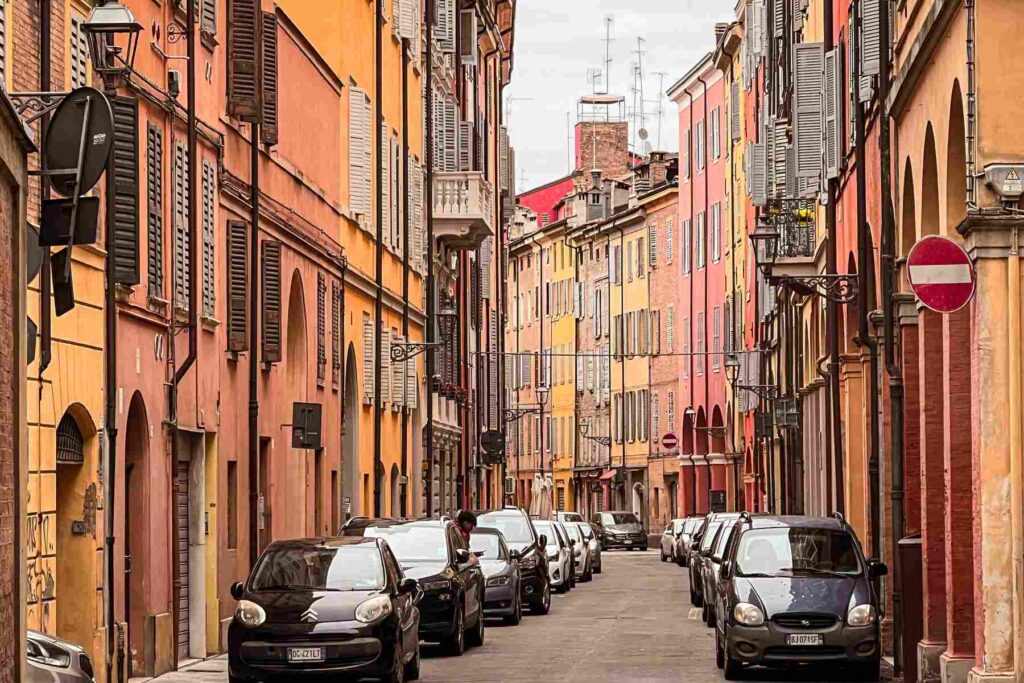
Modena is a year-round destination, but some seasons are especially pleasant.
Spring
Spring is one of the best times to visit Modena.
From April to June, the weather is usually mild, the days are longer, and the city feels lively without being too crowded. This is a wonderful season for walking, sitting outside for aperitivo, and exploring the historic center without the intense summer heat.
Summer
Summer in Modena can be hot, especially in July and August.
The historic center is still beautiful, but sightseeing in the middle of the day can feel tiring. If you visit during summer, plan your outdoor activities in the morning and late afternoon, then use the hottest hours for museums, long lunches, or a rest at your hotel.
Also remember that August is Ferragosto season in Italy. Some restaurants, shops, and small businesses may close for holidays, so check opening times in advance.
Fall
Fall may be the most delicious time to visit Modena.
September and October bring cooler temperatures, harvest energy, and the kind of golden light that makes Emilia-Romagna feel especially atmospheric.
For food lovers, this is a beautiful season to explore balsamic vinegar producers, local markets, wine, and regional dishes.
Winter
Winter is quieter and more intimate.
The days are shorter, but the historic center has a cozy charm, especially around Christmas. This is also a lovely time for richer dishes like tortellini in brodo, cotechino, and long meals in traditional trattorias.
If you don’t mind cooler weather, winter can be a peaceful and rewarding time to visit. I personally spent a weekend in Modena in January and enjoyed it to the fullest.
What to Eat in Modena
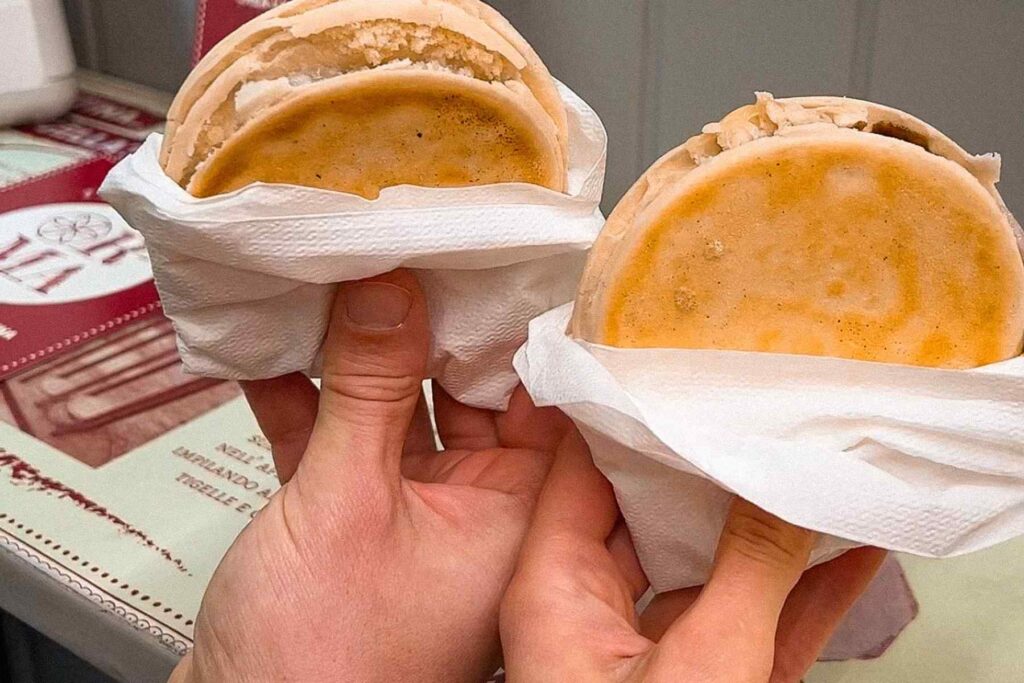
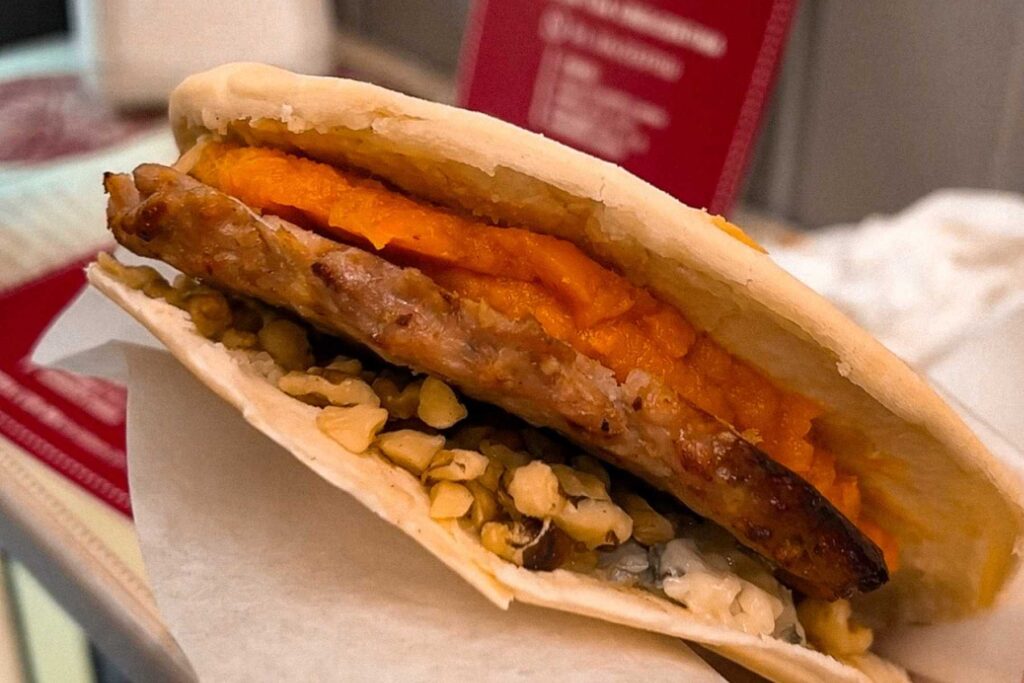
You can’t really understand Modena without tasting it.
This is one of Italy’s great food cities, and the local cuisine is generous, traditional, and deeply tied to the surrounding countryside. Even if you come for the Cathedral, Ferrari, or Pavarotti, food will probably become one of the things you remember most.
Start with traditional balsamic vinegar of Modena, the city’s most famous specialty. The real version is rich, glossy, and aged for years in wooden barrels. Try it drizzled over Parmigiano Reggiano, fresh strawberries, roasted meat, or even vanilla gelato.
Then there is tortellini in brodo, tiny stuffed pasta served in a warm, delicate broth. It is especially comforting in cooler months and feels like the kind of dish that has been perfected by generations of grandmothers.
You should also try gnocco fritto, small pillows of fried dough served with cured meats. Pair it with prosciutto, mortadella, coppa, or salami, and you’ll quickly understand why Emilia-Romagna is considered one of Italy’s best food regions.
Another local favorite is tigelle, small round breads that are usually filled with cheese, cured meats, pesto modenese, or other savory ingredients. They are simple, satisfying, and perfect for a casual lunch.
And don’t leave without tasting Lambrusco, the sparkling red wine of the region. Forget any overly sweet versions you may have tried before. In Modena, Lambrusco is dry, lively, refreshing, and made to pair beautifully with rich local food.
In short, come hungry. Modena rewards appetite.
How to Get to Modena?
Fastest and Simplest Way: The Train
If you’re already traveling around Emilia-Romagna, the train is usually the easiest way to get to Modena.
From Bologna, direct trains leave frequently from Bologna Centrale and reach Modena in around 20–30 minutes, depending on the service. This makes Modena an excellent weekend destination or even a very easy day trip from Bologna.
You can also reach Modena by train from nearby cities such as Parma, Reggio Emilia, and Ferrara, while longer journeys from Florence, Milan, or Venice usually involve either a high-speed train connection or a change along the way.
Modena’s train station is located close to the historic center. From there, you can walk to Piazza Grande in about 15–20 minutes, or take a local bus or taxi if you’re carrying luggage.
As always in Italy, check real-time schedules and buy tickets through the official Trenitalia or Italo websites before you travel.
Traveling to Modena by Car
If you’re planning to explore more of Emilia-Romagna beyond the city center, traveling by car can be useful.
Modena is well connected by motorway and sits along the A1, one of Italy’s main north–south routes. By car, it takes about 35–45 minutes from Bologna, around 45 minutes from Parma, and roughly two hours from Milan, depending on traffic.
That said, you don’t need a car to explore Modena itself. The historic center is compact, flat, and very walkable, while many of the main sights are clustered around Piazza Grande.
If you do drive, remember that Modena’s historic center includes ZTL zones, which are restricted traffic areas monitored by cameras. Unless your hotel has arranged access, avoid driving directly into the old town and park outside the restricted zone instead.
Does Modena Have an Airport?
Modena does have a small airport, but it primarily serves private and business aviation rather than commercial passenger flights.
For most international travelers, especially those arriving from the United States, the most convenient gateway is Bologna Guglielmo Marconi Airport (BLQ), located about 40 km from Modena.
Thanks to frequent international connections and its proximity to the city, Bologna is by far the easiest airport for visiting Modena.
Is Modena Expensive?
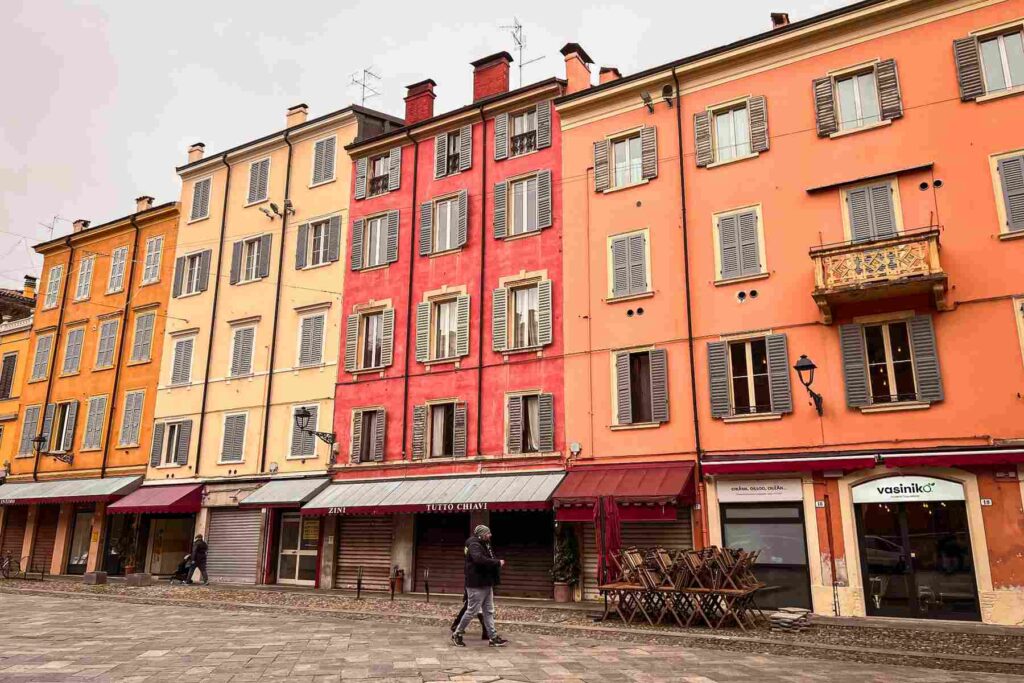
Compared with Florence, Venice, or Milan, Modena usually offers much better value.
That doesn’t mean it is “cheap” in the way some smaller European towns can be, but it feels noticeably less inflated than Italy’s most famous tourist cities.
Hotels are often more affordable than in Florence or Venice, especially outside major event periods. As a rough guide, a comfortable mid-range hotel in Modena typically costs around €90–110 per night.
Food is another area where Modena offers excellent value. This is a serious food city, so you can certainly spend a lot if you book Michelin-starred dining or a special tasting menu.
But you can also eat extremely well in traditional trattorias, markets, bakeries, and casual local spots without feeling like every meal is priced for tourists.
For everyday costs, expect to pay roughly €3–6 for a traditional Italian breakfast, €10–20 per person for a casual lunch, and €25–40 per person for a good dinner at a traditional restaurant.
A nice dinner for two with wine will often fall in the €60–100 range, whereas a comparable meal in bigger Italian cities may cost noticeably more, particularly in tourist-heavy areas.
Final Thoughts: Is Weekend in Modena Worth It?
If you love food, authentic Italian cities, beautiful architecture, and places that still feel lived-in rather than staged for tourism, Modena is one of the most rewarding destinations in Emilia-Romagna.
Spend a weekend here and you’ll discover that some of Italy’s best experiences happen far from the country’s most famous cities.