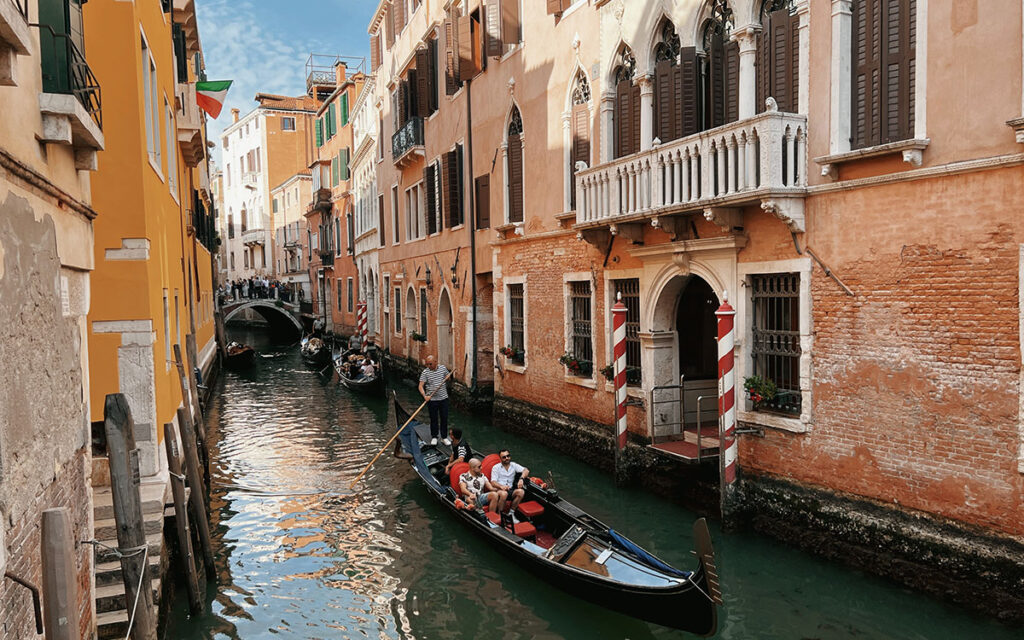
Before my first trip to Venice, I wasn’t convinced I would like it.
I thought it might be too famous, too crowded and perhaps a little overrated. Then I arrived at Santa Lucia Station, stepped outside and saw the Grand Canal for the first time.
I immediately understood why Venice has such a hold over people.
Boats moved where cars normally would, palaces lined the water and the whole city seemed to exist according to completely different rules.
I visited at the end of April, when the weather was pleasant and the crowds were still manageable, which made it easier to experience Venice without feeling rushed.
If you’re planning your first visit and have only two days, don’t worry. Forty-eight hours are enough to experience Venice’s most iconic landmarks, wander through its quieter neighbourhoods, enjoy authentic Venetian food and even visit the colourful islands of Murano and Burano.
This guide follows the same route I used myself, together with the practical tips, honest recommendations and small discoveries that made my own weekend in Venice unforgettable.
This article contains affiliate links. If you buy through them, Chasing Italy may receive a small commission, at no extra cost to you.
Venice in 48 Hours at a Glance
| Perfect for | First-time visitors, couples and weekend getaways |
| Time needed | 2 days |
| Best time to visit | April–May and September–October |
| Walking required | ★★★★★ (comfortable shoes are essential) |
| Budget | €€–€€€ |
| Pace | Relaxed sightseeing with plenty of time to wander |
| Includes | Venice highlights, Murano, Burano and authentic local food |
Is Venice Worth Visiting?
If you’ve never been to Venice, it’s easy to wonder whether it’s really worth the hype. Before my trip, I certainly had my doubts. I expected a beautiful city, but also one that had become overcrowded and overly touristy.
Instead, Venice completely surprised me.
What makes Venice extraordinary isn’t just its famous landmarks. It’s the feeling of wandering through a city unlike any other in the world.
Every bridge leads to another quiet square, every narrow alley reveals a different view of the canals, and even the smallest details seem carefully designed.
I found myself admiring elegant wooden doors, beautifully crafted door knockers and even old street lamps shaped like dragons. It’s a city that rewards curiosity as much as sightseeing.
One of the things I loved most was that Venice constantly encouraged me to slow down. Rather than rushing from one attraction to another, I enjoyed simply wandering without a plan, discovering peaceful corners away from the busiest streets.
Of course, Venice isn’t perfect. Accommodation and restaurants around Piazza San Marco tend to be expensive, and during the summer months the crowds can be overwhelming.
But if you visit in spring or autumn and give yourself permission to explore beyond the obvious sights, you’ll discover why Venice continues to enchant travellers from all over the world.
To me, Venice wasn’t just beautiful—it was surprisingly peaceful. It completely changed my opinion and became one of those places I would happily return to again.
Best Time to Visit Venice
If you have the flexibility to choose when to visit Venice, I highly recommend travelling during the shoulder seasons—particularly late April to early June or September and October.
I visited at the end of April and couldn’t have asked for better conditions. The weather was pleasantly warm, flowers were in bloom and, although the city was busy, it never felt overwhelmingly crowded. It was warm enough to enjoy long walks and outdoor dinners, while still peaceful enough to appreciate Venice’s quieter side.
Summer, especially July and August, brings larger crowds, higher temperatures and longer queues at the city’s most popular attractions.
Winter offers a completely different atmosphere, often with fewer visitors and occasional fog that gives Venice an almost mysterious charm, although shorter days and cooler weather may limit how much time you spend outdoors.
For most travellers, spring and early autumn offer the best balance between comfortable weather and manageable crowds.
Before You Start Your Weekend in Venice

Before we dive into the itinerary, there are a few things worth knowing. Understanding how Venice is laid out and how you’ll arrive will make your first visit much more enjoyable—and help you feel at home from the moment you step into the city.
Understanding Venice’s Six Districts
Venice is divided into six historic neighbourhoods, known as sestieri. While you’ll explore several of them during this itinerary, each has its own personality.
- San Marco – The city’s iconic heart, home to Piazza San Marco, Doge’s Palace and many of Venice’s most famous landmarks.
- Cannaregio – My favourite district, with quieter canals, excellent local restaurants and a more authentic atmosphere.
- Dorsoduro – A relaxed neighbourhood known for its art museums, student life and picturesque waterfront walks.
- San Polo – Home to the famous Rialto Bridge and the historic Rialto Market.
- Santa Croce – The only district accessible by car and where many visitors first arrive.
- Castello – Venice’s largest district, offering peaceful residential streets away from the busiest tourist routes.
For this itinerary, we’ll begin in Cannaregio before gradually making our way towards Venice’s most iconic landmarks.
Arriving in Venice
No matter how you arrive, Venice makes an unforgettable first impression.
By Train
If you’re travelling by train, you’ll arrive at Santa Lucia Station, right in the heart of the historic centre. This is how I visited Venice, and I still remember stepping outside the station for the first time. The Grand Canal stretched out in front of me, boats glided across the water instead of cars, and within seconds I realised this city really was unlike anywhere else I’d been.
One of the biggest advantages of arriving by train is that your weekend begins immediately. There’s no need for taxis or long transfers—simply walk outside and start exploring.
By Plane
If you’re flying into Venice Marco Polo Airport, the easiest way to reach the historic centre is by taking the ATVO Express Bus to Piazzale Roma, Venice’s main transport hub. The journey takes around 20 minutes.
From Piazzale Roma, Venice becomes a city best explored on foot—or by vaporetto, the city’s public water bus.
48 Hours in Venice: Day 1
Cannaregio

If you’re arriving in Venice by train like I did, Cannaregio is the perfect place to begin your weekend.
I know the temptation is to head straight for Piazza San Marco. But after the excitement of arriving in Venice, I actually enjoyed slowing down first. Cannaregio gave me exactly that—a chance to settle into the rhythm of the city before reaching its busiest landmarks.
It’s one of those neighbourhoods where I stopped looking at Google Maps and simply wandered. Small canals, quiet bridges and peaceful streets made it feel as though Venice was gradually introducing itself instead of trying to impress me all at once.
If you’ve just arrived, this is also a great place to stop for lunch. I ate at Cicchetteria da Luca e Fred, where I paid around €15 for pasta with shellfish, fried seafood, salad and an espresso. Considering Venice’s reputation for being expensive, it felt like a fantastic find.
Before continuing towards the Grand Canal, don’t miss Teatro Italia. Originally built as a theatre and later used as a cinema, it has been beautifully transformed into what is probably the most elegant supermarket I’ve ever visited. Even if you don’t buy anything, it’s worth stepping inside simply to admire the restored frescoes and architecture while browsing shelves filled with Italian specialties.
If you want to know more about the Jewish district, you can always join a 2-hour walking tour with a professional guide to discover all the hidden spots.
Canal Grande
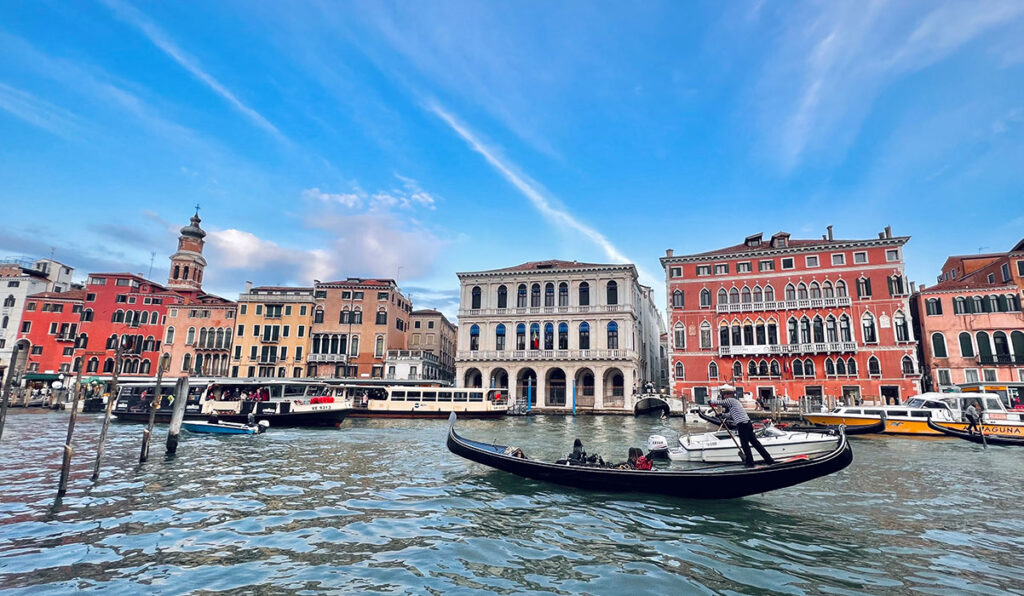
From Cannaregio, continue towards the Grand Canal, Venice’s main waterway and, in many ways, the heart of the city.
Even though I’d seen countless photos before my trip, nothing prepared me for that first view. Standing by the canal, watching gondolas, vaporetto boats and water taxis glide between centuries-old palaces, I finally understood why Venice feels so surreal. It’s almost as if you’re walking on water, with canals replacing streets and boats taking the place of cars.
Don’t rush through this part of the itinerary.
Find a spot along the canal—or better yet, stop on one of the bridges—and simply watch Venice go by. Unlike most cities, everyday life here happens on the water. Delivery boats, ambulances, public transport and gondolas all share the same “streets”, creating a scene that’s fascinating to observe.
If riding a gondola has always been on your bucket list, this is the perfect area to do it. A private ride is undeniably romantic, but also one of the most expensive experiences in Venice, with official daytime fares starting at around €90 for 30 minutes.
If you’re travelling on a budget, a shared gondola ride is a great alternative that still lets you experience the city from the water.
Rialto Bridge

As you continue along the Grand Canal, you’ll eventually reach Rialto Bridge, one of Venice’s most recognisable landmarks.
The bridge itself is beautiful, but the real reason to stop is the view. From the top, the Grand Canal opens in both directions, with boats passing below and historic palaces lining the water. It is busy, often crowded and still completely worth it.
I recommend taking your time here instead of treating it as just another crossing point. Step aside from the main flow of people, look down at the canal and enjoy one of the best views in Venice.
From here, continue towards Piazza San Marco, passing narrow streets, elegant shopfronts and quieter canals along the way.
Bridge of Sighs
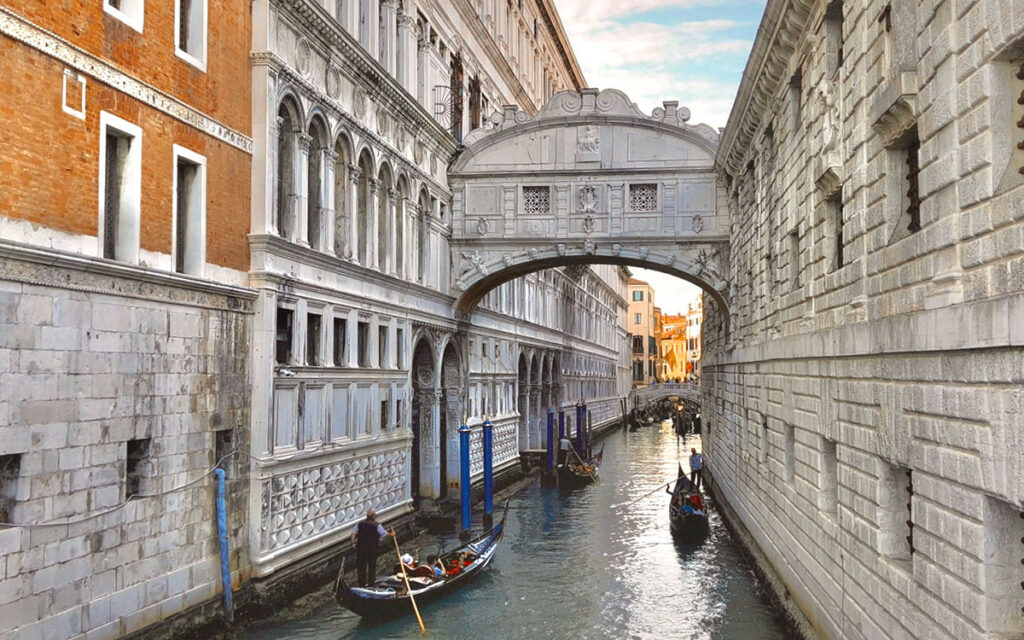
One of the first landmarks you’ll come across as you approach Piazza San Marco is the elegant Bridge of Sighs, easily one of Venice’s most photographed spots.
At first glance, it’s simply a beautiful white limestone bridge connecting two historic buildings. Only after learning its story does it become even more fascinating.
Centuries ago, prisoners crossed this enclosed bridge on their way from the interrogation rooms inside the Doge’s Palace to the prison cells on the other side. According to tradition, it was here that they caught one last glimpse of Venice—and sighed, knowing they might never see the city again.
Today, instead of prisoners, you’ll find visitors admiring the bridge from the nearby canals, taking photographs and enjoying one of Venice’s most iconic views.
Palazzo Ducale
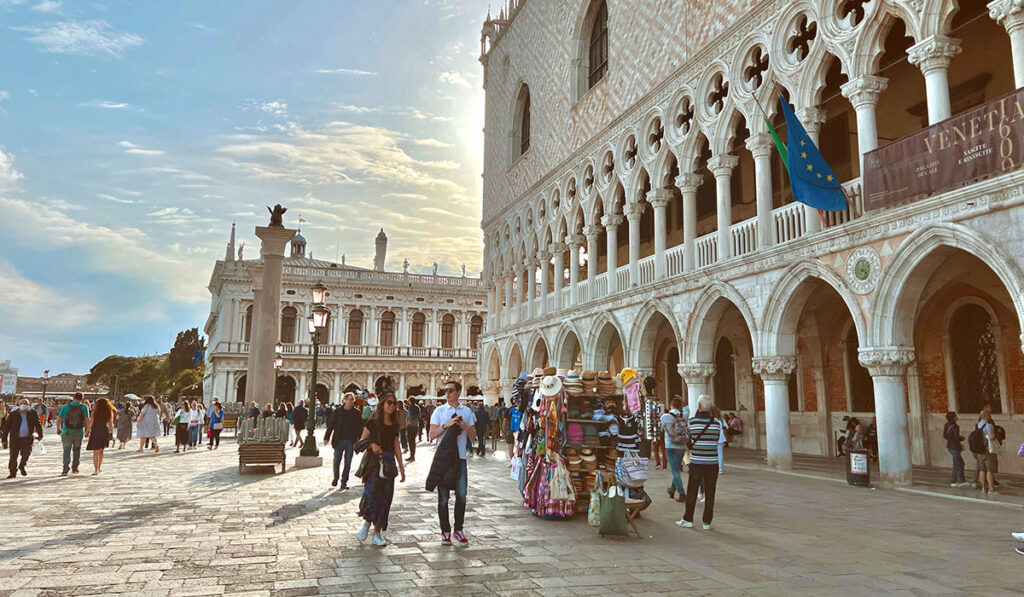
Just a few steps away stands the magnificent Palazzo Ducale, one of the most impressive Gothic buildings in Venice.
Even from the outside, it’s impossible not to stop for a moment. The delicate pink-and-white façade, elegant arches and intricate details perfectly capture the wealth and power Venice once held as one of Europe’s greatest maritime republics.
If you enjoy history, I highly recommend going inside. The palace isn’t just beautifully decorated—it also tells the story of how Venice was governed for centuries. You’ll walk through lavish halls where political decisions were made, cross the famous Bridge of Sighs from the opposite direction and even visit the former prison cells.
Piazza San Marco

Eventually, every street seems to lead to Piazza San Marco, Venice’s magnificent main square.
Despite seeing it countless times in photos, I was still surprised by its scale. Everything feels grander in person—from the elegant arcades surrounding the square to the orchestra music drifting out from the historic cafés.
It can be busy, especially during the middle of the day, but don’t let that put you off. Find a place to pause for a few minutes instead of walking straight through. Watch people arrive from every direction, listen to the music and simply enjoy the atmosphere. It’s one of those places that deserves a little more time than most visitors give it.
This has been the heart of Venice for centuries, and even today it remains the city’s natural meeting point.
Basilica San Marco
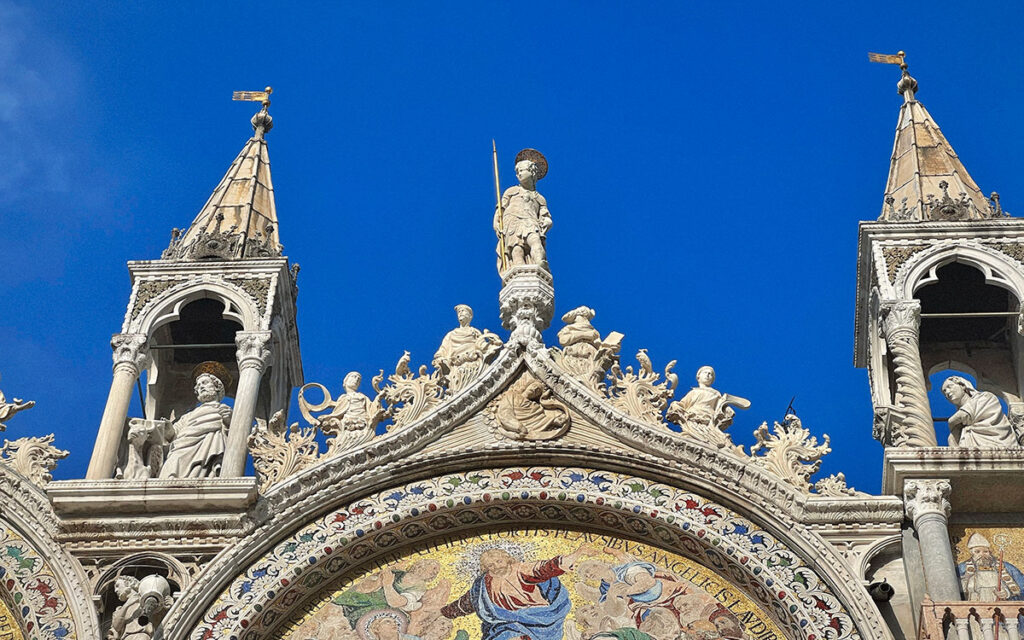
Standing at one end of the square, Basilica di San Marco immediately catches your attention.
What impressed me most wasn’t its size—it was the extraordinary level of detail. Every time I thought I’d seen everything, another golden mosaic, marble column or beautifully carved ornament caught my eye. It’s one of those buildings that invites you to slow down and really look.
The basilica blends Byzantine, Gothic and Renaissance influences, reflecting centuries of Venice’s history and international connections. Even if you don’t normally visit churches while travelling, this is one I wouldn’t skip.
48 Hours in Venice: Day 2

After spending your first day exploring Venice itself, it’s time to see another side of the lagoon.
Many visitors choose just one island because they’re short on time, but if you start early, visiting both Murano and Burano in the same day is completely manageable—and I highly recommend it.
Although they’re only a short boat ride from Venice, each island has its own distinct character. Murano is known for centuries-old glassmaking traditions, while Burano is famous for its colourful houses and relaxed atmosphere.
To me, visiting both islands made the whole trip feel much more complete.
Murano
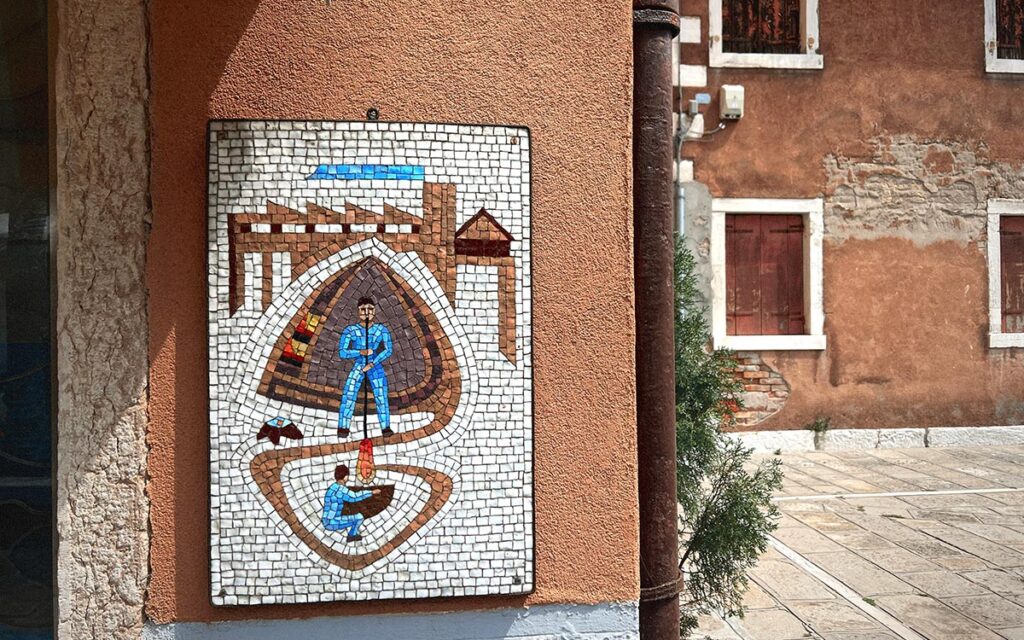
Murano surprised me in the best possible way.
Before visiting, I expected little more than a few glass shops. Instead, I found elegant streets lined with workshops where colourful Murano glass seemed to appear in almost every window. Walking through the island almost felt like strolling through an open-air design gallery.
Even if you don’t plan to buy anything, I highly recommend taking your time to browse. From delicate jewellery and vases to intricate chandeliers and contemporary art pieces, the craftsmanship is extraordinary. It’s easy to understand why Murano glass has been admired around the world for centuries.
If you’d like to learn more about the process, you can also visit one of the traditional glass factories where artisans demonstrate how these remarkable pieces are made.
Burano

Even though Burano technically belongs to Venice, it feels like a destination all of its own.
I almost included it together with Venice in my guide to the best places to visit in Italy, but in the end I gave it a separate place because it’s simply that unique.
The island is instantly recognisable thanks to its brightly coloured houses lining every canal. According to local tradition, fishermen painted their homes in vivid colours centuries ago so they could recognise them through the thick fog that often covered the lagoon.
Whether entirely true or not, the tradition has survived and today makes Burano one of the most photogenic places in Italy.
As someone who appreciates beautiful details, I absolutely loved wandering here. Colourful façades, quiet canals, little bridges, murals and flower-filled windows made every street feel different from the last.
Unlike Venice, Burano invites you to slow down completely. There’s no need for a strict itinerary—simply enjoy walking, taking photographs and soaking up the atmosphere.
If you only have time for one island, I’d still recommend visiting both if possible. Murano showcases Venice’s craftsmanship, while Burano captures its charm.
How To Get From Venice to Burano or Murano?

One of the things I was most looking forward to in Venice was visiting Murano and Burano. Getting there is part of the adventure, as you’ll travel by vaporetto, Venice’s public water bus.
If you’re staying near Santa Lucia train station, head to Ferrovia stop D, located just across from the station. From here, you’ll first travel to Murano, a journey of around 25 minutes. After exploring the island, simply change to another vaporetto for the final 15-minute ride to Burano.
One tip I wish I’d known before my trip: buy your vaporetto tickets at the ticket office instead of online. I purchased mine in advance, but the validation machine wasn’t working, which meant wasting time trying to sort everything out while everyone else boarded.
Buying your ticket on-site turned out to be much simpler and would have saved me the stress.
Best Area to Stay in Venice
If you’re visiting Venice for the first time and only have 48 hours, I’d recommend staying in Cannaregio.
After exploring the city myself, I found it to be the perfect base. It’s lively without feeling overwhelming, full of local restaurants and wine bars, and within walking distance of many of Venice’s main attractions. I also loved beginning my mornings here, before the busiest parts of the city had filled with visitors.
Another advantage is that accommodation tends to be more affordable than around Piazza San Marco, without sacrificing convenience.
During my trip, I stayed at Hotel Santa Lucia, just a short walk from the train station. It wasn’t a luxury hotel, but it was exactly what I needed—clean, comfortable, reasonably priced, and run by genuinely friendly staff. If you’re looking for a good-value place to stay while exploring Venice, I’d happily recommend it.
Where I Ate During My Weekend in Venice
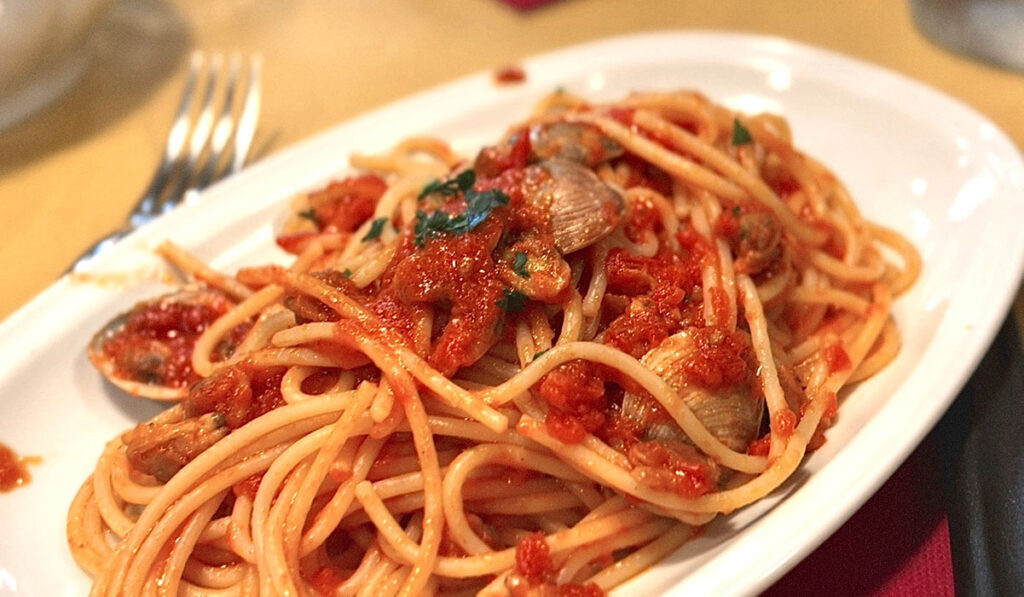
One thing I quickly realised in Venice is that finding good food isn’t difficult—finding good food at a reasonable price takes a little more planning.
My biggest piece of advice is to avoid restaurants sitting directly beside the city’s most famous attractions. The closer you are to Piazza San Marco or Rialto Bridge, the more likely you are to pay tourist prices for an average meal. Walking just a few streets away can make a surprising difference in both quality and price.
It also helps to remember that Italians follow fairly traditional meal times, and many authentic restaurants do too.
- Breakfast: around 7:00–10:00
- Lunch: approximately 12:00–14:00
- Dinner: usually from 19:00 onwards
And if you’re ever unsure where to eat, simply look around.
A restaurant filled with Italians is usually a very good sign. Italians care deeply about food, and I’ve found that following the locals is one of the easiest ways to discover genuinely good places to eat.
My Favourite Places
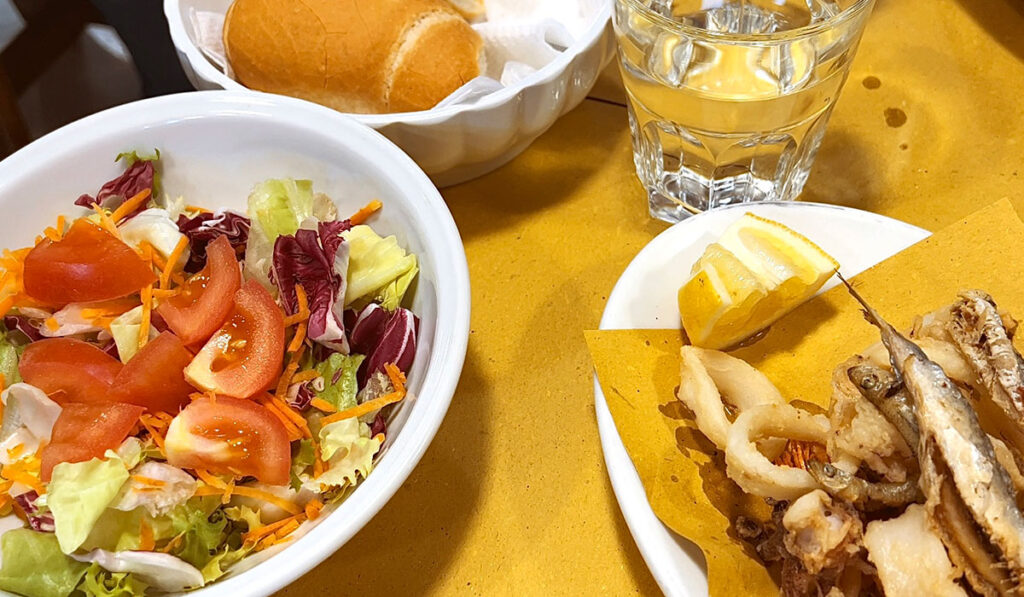
Breakfast — Pasticceria Dal Mas
Every morning started with fresh pastries, an espresso and a glass of freshly squeezed orange juice (spremuta). It was simple, delicious and surprisingly affordable—I paid around €6.
Lunch — Trattoria da Luca e Fred
This ended up being one of my favourite meals of the trip.
For around €15, I had pasta with shellfish, fried seafood, salad and an espresso—excellent value by Venice standards. The food, the atmosphere and the friendly service made it one of those places I’d happily return to.
Gelato — Gelateria Artigianale
After a long afternoon of sightseeing, there’s always room for gelato. This artisan gelateria was the perfect excuse to slow down for a few minutes before continuing to explore.
Aperitivo — Pescaria Vecia, Burano
One of my favourite memories from Burano was stopping for an aperitivo beside the canal.
I ordered a selection of traditional cichetti—small slices of bread topped with different local ingredients—alongside a refreshing Aperol Spritz. Sitting there, watching life unfold on the island, felt like the perfect way to end the day.
Final Thoughts

Before my first trip, I wasn’t sure whether Venice could possibly live up to the expectations created by countless photographs, films and postcards.
It did.
Looking back, what I remember most isn’t a single attraction. It’s watching boats glide beneath Rialto Bridge, enjoying dinner beside a quiet canal as Venice slowly became calmer in the evening, and realising that some of my favourite moments happened when I wasn’t following an itinerary at all.
If you’re planning your own weekend in Venice, I hope this guide helps you experience not only the city’s famous landmarks, but also the quieter moments that made me fall in love with it.
And if you leave already thinking about your next visit… don’t worry.
I did exactly the same.
FAQs
Are 2 Days in Venice Enough?
Absolutely.
Before visiting, I wondered whether two days would feel rushed. In reality, I found it to be the perfect amount of time for a first trip.
Two days allowed me to explore Venice’s most iconic landmarks without constantly checking the time, while still leaving room to enjoy long lunches, wander through quieter neighbourhoods and take a day trip to Murano and Burano.
Could you spend longer here? Of course.
Venice is one of those cities where getting lost often becomes the highlight of the day.
But if you’re travelling around Italy and only have a weekend to spare, I genuinely think two days are enough to experience what makes Venice so unforgettable.
Is Venice Walkable?
Absolutely.
One of the things I loved most about Venice is that you rarely need public transport once you’re in the historic centre. Almost every attraction in this itinerary can be reached on foot, and walking is honestly the best way to discover the city’s quieter canals and hidden corners.
Just remember that you’ll cross dozens of bridges, so comfortable shoes are essential.
Is Venice Expensive?
Venice certainly has a reputation for being one of Italy’s most expensive cities, but I actually spent less than I expected.
The biggest mistake many visitors make is eating and staying around Piazza San Marco, where prices are naturally much higher. Staying in Cannaregio and walking just a few streets away from the busiest attractions allowed me to enjoy delicious meals without paying tourist prices.
Like most destinations, Venice can be surprisingly affordable if you know where to look.
How Much Does a Weekend in Venice Cost?
The exact cost depends on your travel style, but here’s roughly what I’d budget for a comfortable weekend.
| Expense | Average Cost |
|---|---|
| Hotel | €120–250/night |
| Meals | €40–70/day |
| Vaporetto pass | €25–35 |
| Gondola (optional) | from €90 |
| Museums | €25–40 |
If you’re happy walking, avoiding tourist restaurants and choosing reasonably priced accommodation, Venice doesn’t have to be as expensive as many people imagine.
Can You Visit Murano and Burano in One Day?
Definitely.
That’s exactly what I did during my second day in Venice.
Starting early gives you enough time to explore Murano’s glass workshops before continuing to Burano, where colourful houses, quiet canals and a relaxed atmosphere provide the perfect contrast to Venice’s busy centre.
I never felt rushed and still had time to stop for an aperitivo before returning to Venice.
Should You Book Attractions in Advance?
For a first visit, I’d recommend booking these in advance:
- Doge’s Palace
- Basilica di San Marco (skip-the-line entry if available)
- Gondola ride (optional, especially during summer)
- Your hotel, particularly if travelling in spring or autumn
Most other parts of this itinerary can easily be enjoyed without reservations.
Is Venice Safe?
I felt perfectly safe throughout my trip, including during the evenings.
Like any popular tourist destination, the biggest thing to watch out for is pickpocketing in crowded areas such as Santa Lucia Station, Rialto Bridge and Piazza San Marco.
Keep your valuables secure, stay aware of your surroundings and you’ll most likely have a trouble-free visit.