When people think about Emilia-Romagna, they usually think about Bologna.
And while Bologna is absolutely worth visiting, many travelers make the mistake of stopping there before moving on to Florence, Venice, or Milan.
What they don’t realize is that Emilia-Romagna is one of Italy’s most diverse regions.
And the main challenge isn’t deciding whether Emilia-Romagna is worth visiting. It’s figuring out how to experience everything the region has to offer.
After living in Emilia-Romagna, I’ve learned that the best trips aren’t built around a single city. They’re built around the experiences that make this region unique.
In this guide, I’ll walk you through every step of planning a trip to Emilia-Romagna—from choosing the best time to visit to building an itinerary that matches your travel style.
This article contains affiliate links. If you buy through them, Chasing Italy may receive a small commission, at no extra cost to you.
Before You Book
- Best airport: Bologna
- Ideal trip length: 7 days
- Need a car? Only for countryside
- Best months: May, June, September, October
- Budget: €70–250+ per day
Decide What Kind of Emilia-Romagna You Want to Experience
One of the biggest mistakes people make when planning a trip to Emilia-Romagna is opening Google Maps and immediately trying to connect cities.
The result is often an itinerary that looks impressive on paper but feels rushed in reality.
Instead, I recommend starting with a simple question:
What kind of trip do you actually want to have?
The answer will help you determine where to stay, how many days you need, whether to rent a car, and which experiences to prioritize.
For Food Lovers
If food is one of the main reasons you’re visiting Italy, Emilia-Romagna might become your favorite region in the country.
This is the birthplace of Parmigiano Reggiano, Prosciutto di Parma, traditional balsamic vinegar, tortellini, tagliatelle al ragù, mortadella, and countless other specialties.
In that case, I would recommend focusing your itinerary around:
- Bologna
- Modena
- Parma
Together, these cities form the culinary heart of Emilia-Romagna. If your dream trip revolves around exceptional food, you could easily spend an entire week exploring these three cities alone.
You can visit Parmigiano Reggiano producers, tour traditional acetaie, take pasta-making classes, and spend your evenings moving from one trattoria to the next.
For History and Culture Lovers
Many travelers are surprised to discover how rich Emilia-Romagna’s cultural heritage is.
If history is your priority, I’d build your itinerary around:
- Ravenna
- Ferrara
- Bologna
- Faenza
Ravenna alone contains eight UNESCO World Heritage monuments and some of the finest Byzantine mosaics in the world, which is why even one day in Ravenna can become one of the most memorable parts of an Emilia-Romagna itinerary.
Ferrara offers Renaissance architecture and one of Italy’s most impressive castles, while Bologna combines medieval towers, elegant porticoes, and one of Europe’s oldest universities.
While often overlooked by international visitors, Faenza is known for its centuries-old ceramic tradition and charming historic center.
Nearby, Forlì offers another quieter cultural stop, with elegant piazzas, churches, museums, and a slower city rhythm that fits well into a Romagna-focused itinerary.
For Slow Travelers
If you’re the type of traveler who prefers long lunches to sightseeing checklists, Emilia-Romagna is incredibly rewarding.
Rather than hopping from city to city, consider staying in an agriturismo surrounded by vineyards or rolling countryside.
Spend your days wandering through medieval borghi, enjoying long lunches, and discovering corners of Italy that rarely appear in guidebooks.
Villages such as Brisighella, Bertinoro, Dozza, and Sant’Agata Feltria show a quieter side of the region, while a broader route through the hidden gems of Emilia-Romagna can easily become the most atmospheric part of the trip.
For Beach Lovers
Most international visitors don’t realize that Emilia-Romagna has more than 100 kilometers of Adriatic coastline.
Yes, the Adriatic Coast doesn’t have the turquoise waters of Puglia or Sardinia.
Yet every summer, Italians from all over the country come here for their holidays.
Why?
Mostly because of the atmosphere.
Romagna is famous throughout Italy for its hospitality. There’s even a local saying that Romagnoli know how to make everyone feel like family.
Some of the best beach destinations are:
- Cervia
- Cesenatico
- Rimini
- Gatteo a Mare
- Bellaria Igea Marina
- Riccione
Want it all?
Not sure which category you fit into?
Don’t worry.
One of the best things about Emilia-Romagna is that you don’t have to choose just one. Many travelers combine food experiences, historic cities, countryside escapes, and beach days into the same trip.
Decide How Many Days to Stay
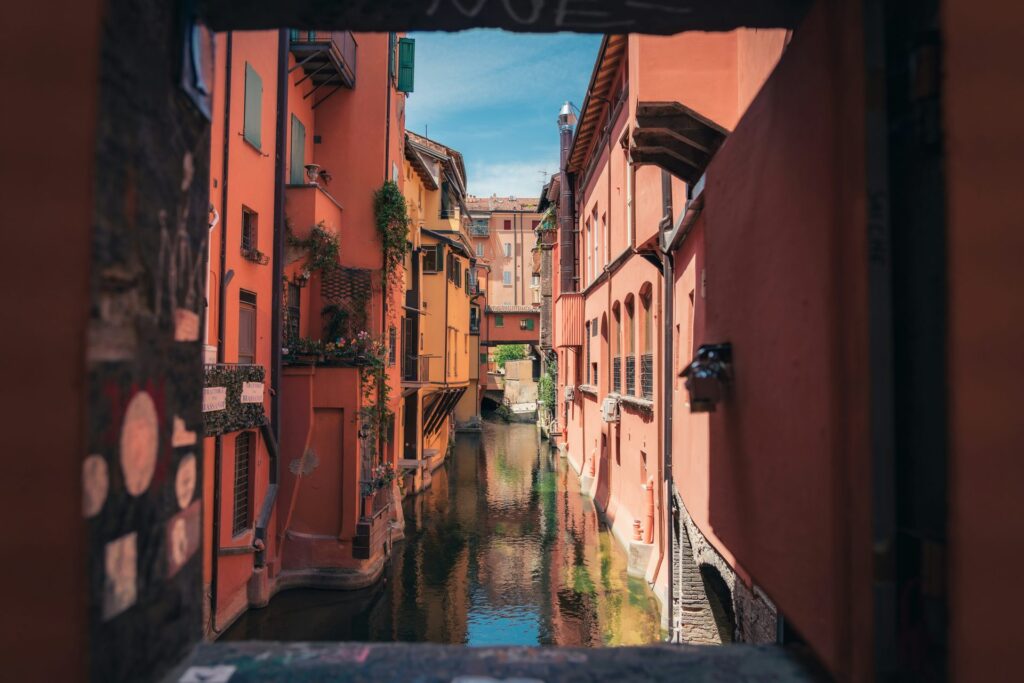
One of the most common questions travelers ask is:
“How many days do I need in Emilia-Romagna?”
The honest answer depends on your travel style.
You could easily spend several weeks exploring the region and still discover new villages, restaurants, and hidden corners.
But for most first-time visitors, seven days offers the perfect balance between seeing the highlights and experiencing the slower side of Emilia-Romagna.
Emilia-Romagna in 3 Days
Three days is enough for a short introduction to the region, especially if Emilia-Romagna is just one stop on a larger Italy itinerary.
In this case, I would focus on the region’s most famous cities:
- Bologna
- Modena
- Parma
A good strategy is to base yourself in Bologna and take a day trip to Parma or Modena.
If you’re especially interested in Ferrari, balsamic vinegar, and food markets, a slower weekend in Modena may be more rewarding than rushing through in one afternoon.
Emilia-Romagna in 5 Days
Five days gives you the opportunity to venture beyond Bologna and gain a deeper understanding of the region.
For a first visit, I would recommend:
- Bologna
- Modena
- Parma
- Ravenna
This itinerary combines world-famous food, UNESCO-listed heritage, beautiful architecture, and a glimpse of the Adriatic side of Emilia-Romagna. It’s a wonderful introduction to the region’s diversity.
Emilia-Romagna in 7 Days
A week is where Emilia-Romagna truly begins to reveal its character.
In addition to visiting the region’s major cities, you’ll have time to slow down and explore beyond the typical tourist route.
I would recommend:
- Bologna
- Modena
- Parma
- Ravenna
- One countryside stay or a day trip to a borgo
This is the ideal trip length for travelers who want to combine city sightseeing with the quieter side of Emilia-Romagna.
Spend your mornings exploring historic centers, then dedicate a day or two to discovering medieval borghi, scenic countryside roads, and local traditions that many visitors never experience.
Emilia-Romagna in 10 Days or More
If you have ten days or longer, you can experience Emilia-Romagna at a much slower pace.
Rather than moving constantly between cities, use the extra time to explore the region more deeply.
Consider adding:
- beach towns along the Adriatic Coast
- an agriturismo stay
- smaller villages and borghi
- local food festivals
- scenic drives through the countryside
- cooking classes
- cycling routes
- hiking in the Apennines
Choose the Best Time to Visit
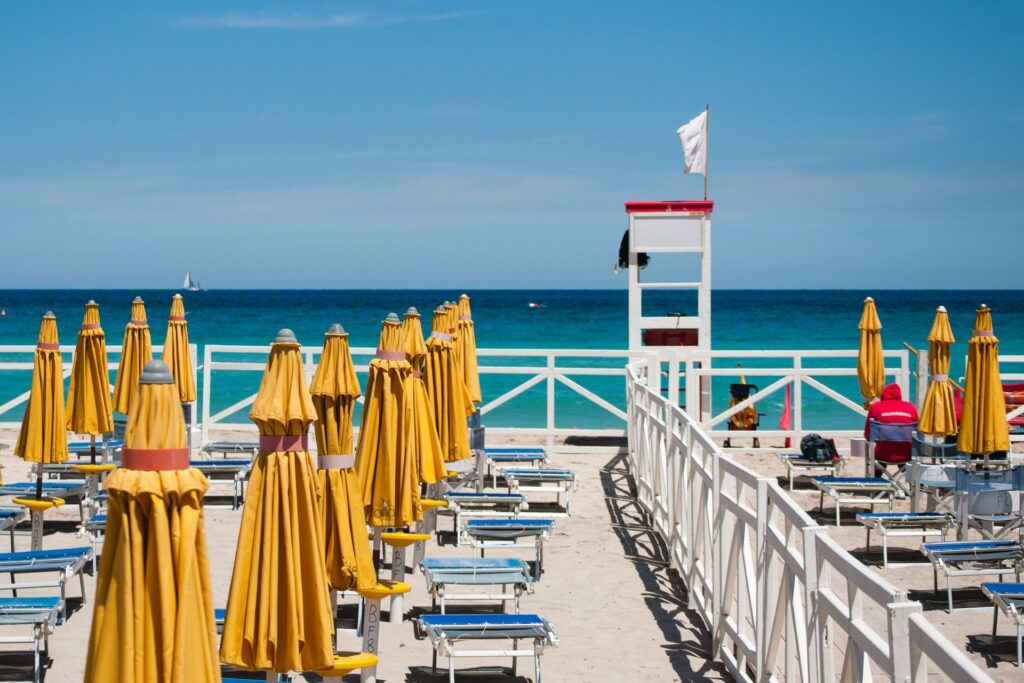
One of the things I love most about Emilia-Romagna is that there isn’t one single “best” time to visit.
Instead, each season reveals a different side of the region.
The best time for your trip depends on what you want most: food festivals, beach days, countryside stays, city sightseeing, or quieter local experiences.
Spring
Spring is one of my favorite times of year in Emilia-Romagna.
The countryside turns green again, the temperatures become more pleasant, and the region feels refreshed after winter. It’s also an excellent season for exploring cities before the summer heat arrives.
Spring is ideal for:
- sightseeing
- cycling
- countryside drives
- food-focused trips
- visiting medieval borghi
That said, spring weather can be unpredictable. In recent years, the classic “mid-season” hasn’t always felt very clear. Some weeks can still be cold, and rain is quite common.
The good news is that Emilia-Romagna has plenty of options for bad-weather days. You can visit museums, spend an afternoon in a theatre, enjoy a long lunch in a trattoria, or escape to one of the region’s thermal spas.
So even if the weather decides to rewrite your itinerary, the day doesn’t have to be wasted.
Summer
Summer brings festivals, beach life, outdoor dining, and long evenings that seem to stretch forever.
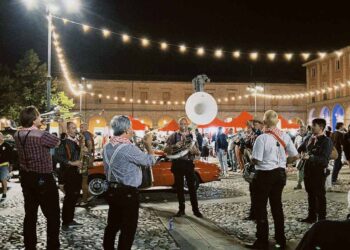
Many villages host sagre, local food festivals celebrating everything from cherries and piadina to handmade pasta and seasonal ingredients, while the Adriatic Coast comes alive with beach towns, open-air concerts, and unexpected ways to spend summer in Emilia-Romagna beyond the usual city itinerary.
If you want to experience Emilia-Romagna at its most social and lively, summer is a wonderful time to visit.
The downside?
July and August can be very hot, especially in the cities. Bologna, Modena, and Parma can feel heavy during the middle of the day, so it’s best to plan sightseeing in the morning and evening.
Fortunately, you have plenty of ways to escape the heat. You can head to the coast, stay in the countryside, visit the Apennines, or book an agriturismo with a pool and spend the hottest hours far away from the city streets.
If you’re not a heat lover, I would avoid planning a city-only itinerary in August. Instead, combine beach days, countryside stays, and slower evenings outdoors.
Autumn
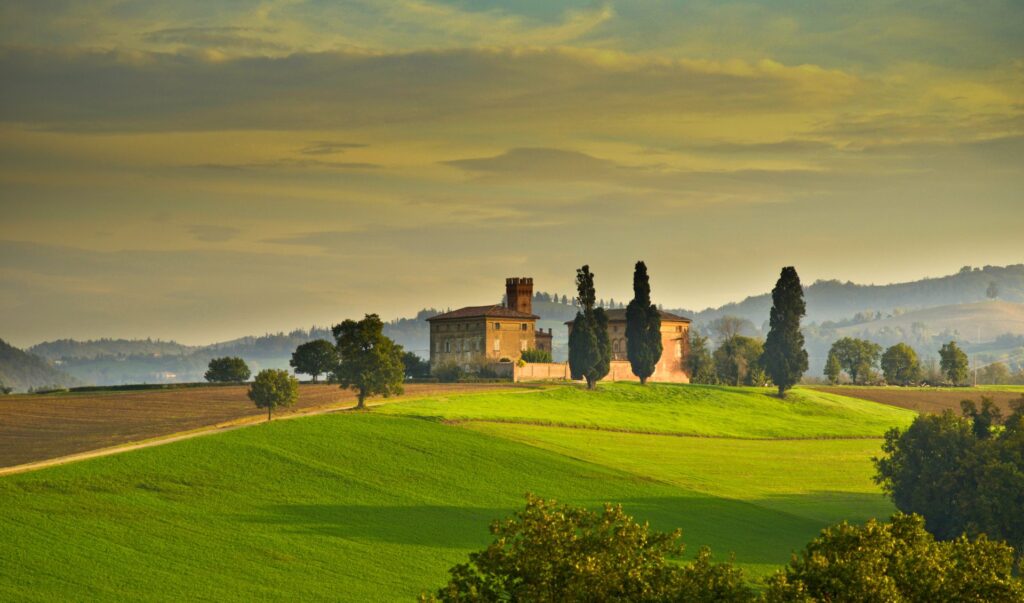
Autumn is another great time for a trip. The summer heat begins to fade, vineyards and countryside landscapes turn golden, and food takes center stage.
This is harvest season, which means wine, seasonal ingredients, village festivals, and some of the region’s most comforting dishes.
Autumn is especially wonderful if you’re interested in:
- food experiences
- wine tasting
- countryside stays
- village festivals
- slower city breaks
September and October are often the sweet spot: the weather is usually still pleasant, but the atmosphere feels calmer than in peak summer.
Keep in mind that the traditional beach season usually winds down around mid-September. However, the weather can still be lovely for a seaside stay.
If you’re coming from a northern country like me — I’m from Estonia — you may actually find September beach days perfectly enjoyable.
Winter
Winter is Emilia-Romagna’s quietest season.
You won’t find the Adriatic Coast in full summer mode, but you will discover Christmas markets, cozy trattorias, quieter museums, and cities that feel much more local.
If you’re hoping for warm weather, winter may not be ideal. But if you enjoy authentic experiences, lower prices, and fewer tourists, it is worth considering.
Hiking can also be very pleasant during this period, especially on clear days when the air feels crisp rather than heavy. And if the weather turns cold or rainy, you can always do what Italians do best: find a thermal spa, sit in warm water, and let the day slow down completely.
Book Your Flights
One of the advantages of visiting Emilia-Romagna is that the region is remarkably easy to reach. Sitting at the crossroads of northern Italy, it benefits from excellent rail and airport connections, which makes it a practical choice whether you’re planning a dedicated Emilia-Romagna trip or combining it with other parts of Italy.
For most international travelers, Bologna Airport (BLQ) is the best option. It is located just a few kilometers from Bologna’s city center and offers easy access to the region’s train network.
From Bologna, you can continue to Modena, Parma, Ravenna, Ferrara, Rimini, and many smaller destinations without needing to rent a car immediately. This is one of the reasons Bologna works so well as a starting point for a first trip to Emilia-Romagna.
Depending on your itinerary, other airports may also make sense. Rimini Airport can be convenient if you’re focusing on the Adriatic Coast, while Parma Airport is smaller but occasionally useful.
As a general rule, book flights earlier if you’re traveling in summer, especially in July and August when prices can rise quickly. For summer trips, aim for 3–6 months in advance; for spring and autumn, 2–4 months is usually enough; and for winter, you often have more flexibility.
If you’re flying from outside Europe, especially from the United States or Canada, I would start tracking prices even earlier.
Choose Your Travel Insurance
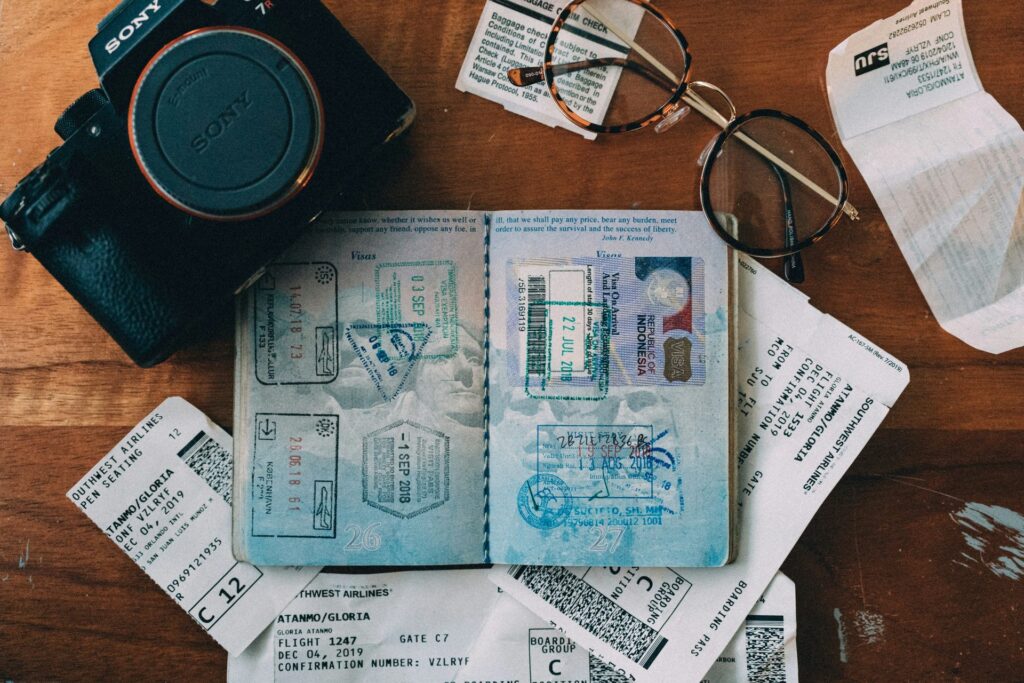
Travel insurance is one of those things you hope you’ll never need, but you’ll be grateful to have if something goes wrong.
Even the most carefully planned trips can encounter unexpected problems. Flights get delayed or cancelled, luggage goes missing, people get sick, and rental cars occasionally come with surprises.
A good travel insurance policy can help protect you from expenses that can quickly add up, particularly if you’re traveling from North America, Australia, or another long-haul destination.
For a short trip within Europe, you may decide it isn’t necessary. However, if your Emilia-Romagna itinerary includes international flights, prepaid accommodation, car rentals, or expensive experiences, I would strongly recommend considering it.
Hopefully, you’ll never need to use it. But if something unexpected does happen, you’ll be glad you planned ahead.
Decide Whether You Need a Car
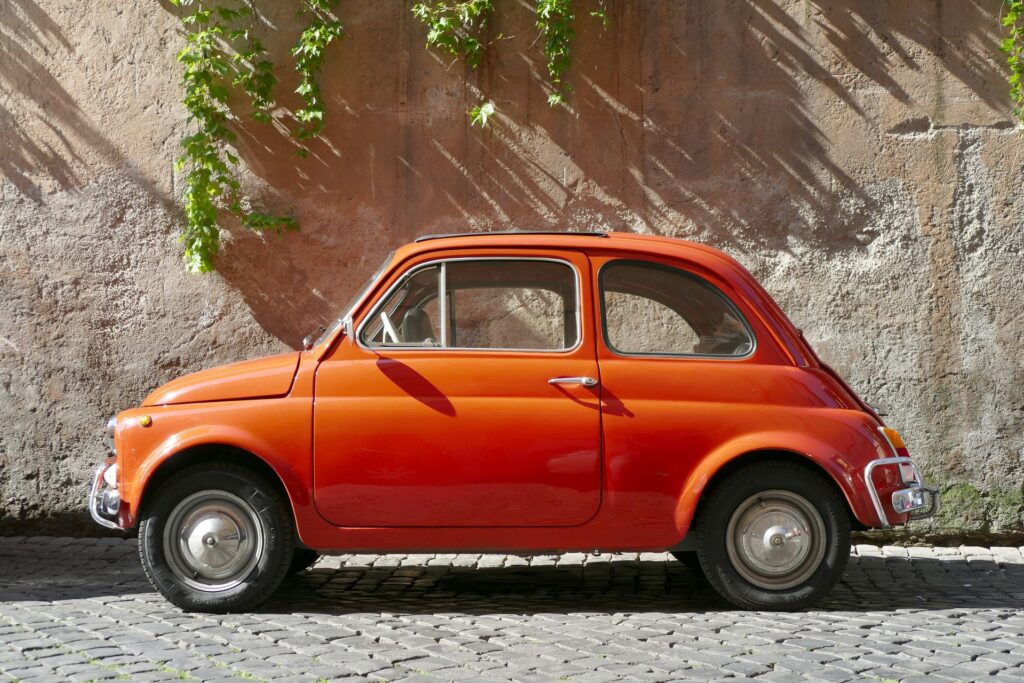
This is one of the most common questions people ask before visiting Emilia-Romagna, and the answer depends entirely on the kind of trip you’re planning.
If your itinerary focuses mainly on cities such as Bologna, Modena, Parma, Ravenna, Rimini, or Ferrara, you probably don’t need a car. Emilia-Romagna has one of Italy’s best rail networks, and trains connect the major cities quickly and efficiently.
In many cases, taking the train is easier than driving, especially because historic centers often have ZTL zones, where unauthorized vehicles are not allowed. These restricted traffic areas are monitored by cameras, and entering one by mistake can result in a fine.
A car becomes much more useful if you want to explore the countryside. Agriturismi, medieval borghi, wineries, scenic drives, and smaller hill towns are often difficult or impossible to reach comfortably by train. Some of Emilia-Romagna’s most memorable places sit beyond the main rail lines, and having a car gives you the freedom to discover them at your own pace.
For a first trip, I usually recommend combining both approaches. Spend a few days exploring cities by train, then rent a car for the countryside portion of your trip.
That way, you avoid the stress of driving and parking in historic centers but still get the freedom to experience the slower, more rural side of Emilia-Romagna. If you do drive, always check parking options before arriving and avoid entering the old town unless your hotel has confirmed access.
Book Popular Experiences in Advance
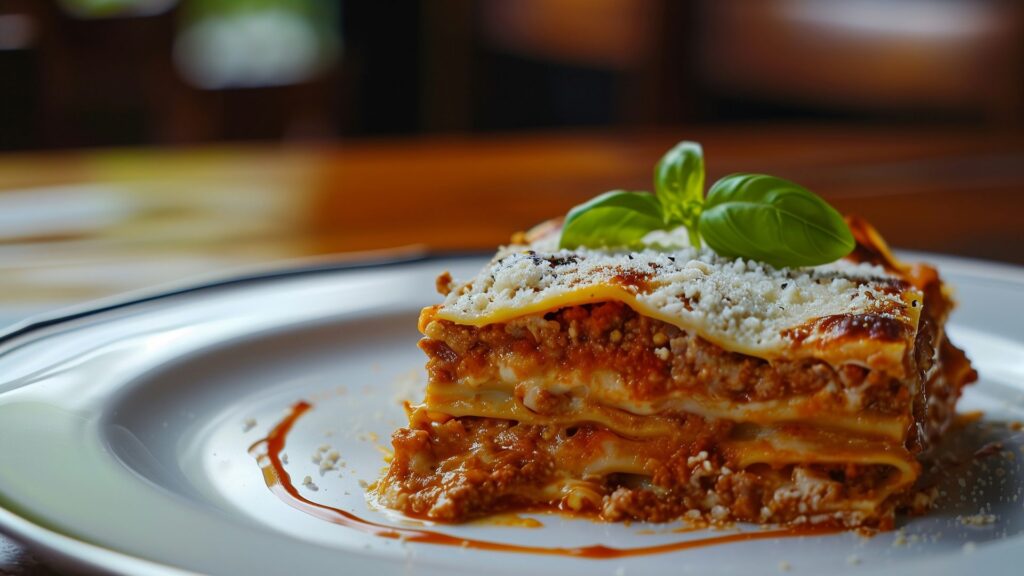
While Emilia-Romagna isn’t as crowded as Venice or Florence, some of its most popular experiences have surprisingly limited availability.
Some of the region’s most memorable activities are small, seasonal, or family-run, which means availability can be limited. Traditional balsamic vinegar tours, Parmigiano Reggiano dairy visits, and cooking classes are great examples.
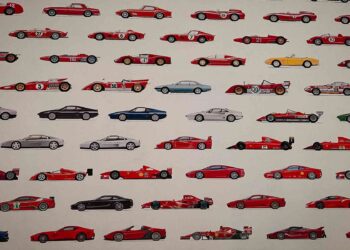
Ferrari-related experiences are also worth planning ahead. Standard museum tickets are usually easy to obtain, but guided experiences, factory tours, simulators, and special packages can require advance booking. If Ferrari is one of the main reasons you’re visiting Emilia-Romagna, don’t leave those details until the last minute.
This advice doesn’t apply only to Bologna and Modena. If you’re planning to see Ravenna’s famous mosaics, spend a family day at Mirabilandia, book sunbeds at a beach club on the Riviera Romagnola, or relax at one of the region’s thermal spas, it’s worth checking availability before your trip.
The same goes for popular agriturismi, especially during summer, when countryside stays can fill up surprisingly quickly.
Finally, don’t forget about restaurants. Emilia-Romagna is one of Italy’s great food destinations, and some of its most famous tables can be booked out weeks in advance.
Understand How the Train System Works
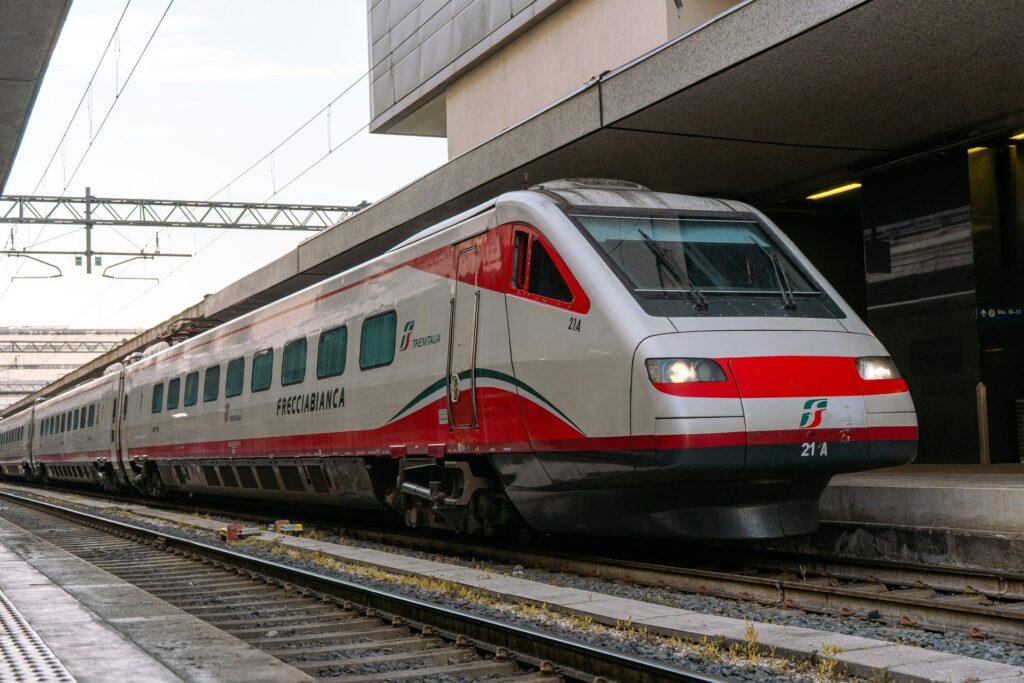
Emilia-Romagna is one of the easiest regions in Italy to navigate, especially if your trip focuses on major cities.
Bologna, Modena, Parma, Reggio Emilia, Ferrara, and Ravenna are all well connected by train, which makes it possible to build a varied itinerary without renting a car for the entire trip.
High-speed trains are useful if you’re moving between larger cities or combining Emilia-Romagna with other parts of Italy, while regional trains are better for shorter journeys within the region. They may be slower, but they are often practical and affordable.
If you’re using regional trains, make sure you understand the ticket rules before boarding. Digital tickets are usually validated automatically, while paper tickets still need to be validated at the station before departure.
One thing worth knowing is that Italian trains don’t always run with Swiss precision. Minor delays are fairly common, especially on regional services, and occasional strikes can affect schedules.
Mobile internet coverage can also be unreliable on certain routes, particularly in rural areas and tunnels, so it’s a good idea to download your tickets, maps, or directions before boarding.
Set a Realistic Budget
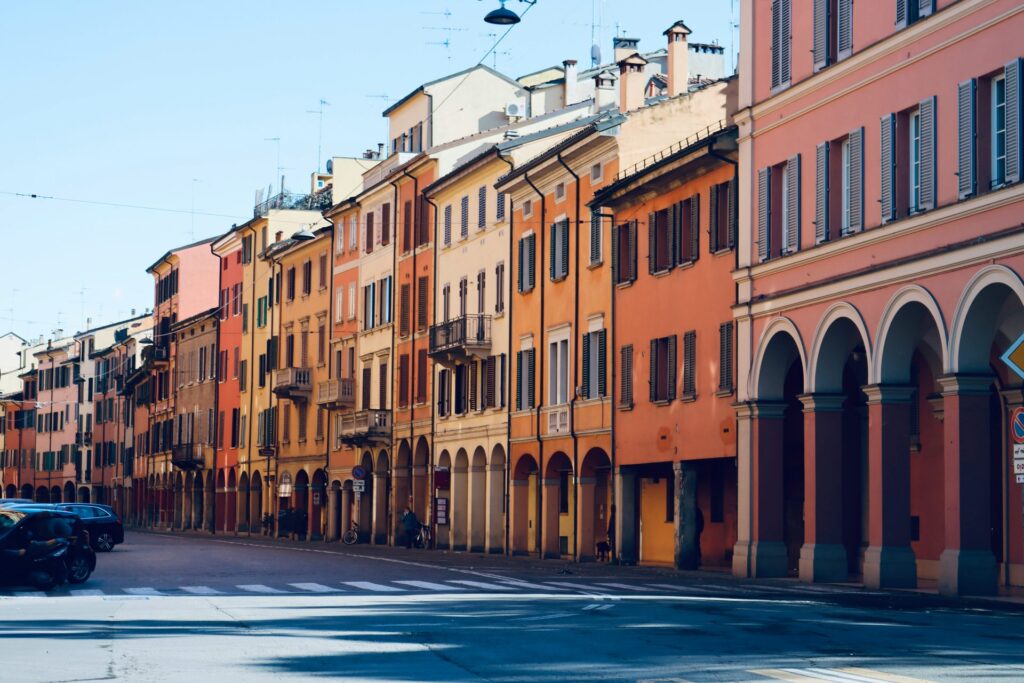
Emilia-Romagna often offers better value than Italy’s most famous destinations.
That doesn’t mean it is “cheap” in every sense. Prices vary depending on the season, city, and type of trip you’re planning. But compared with places like Venice, Florence, Milan, or the Amalfi Coast, your money often stretches further here.
A budget traveler can expect to spend around €70–120 per day, especially when staying in hostels, guesthouses, or simple accommodation, using public transport, and eating in casual places such as bakeries, markets, piadina shops, and traditional trattorias.
For a comfortable mid-range trip, I would plan around €150–250 per day. This usually allows for a pleasant hotel or B&B, restaurant meals, train travel between cities, museum tickets, and occasional paid experiences such as food tours or guided visits.
Luxury travelers should expect €300+ per day, particularly if staying in boutique hotels, countryside resorts, or elegant agriturismi with pools and on-site restaurants. Special experiences such as private tours, cooking classes, Ferrari-related activities, or fine dining can raise the budget quickly.
Where Emilia-Romagna really shines is value. You can eat exceptionally well without choosing the most expensive restaurants, travel easily by train between major cities, and enjoy many historic centers simply by walking.
So, is Emilia-Romagna expensive?
Generally, no — at least not compared with Italy’s most famous tourist hotspots. Most visitors find that Emilia-Romagna offers a more balanced relationship between price and quality, especially if they travel outside peak holiday periods and mix cities with smaller towns or countryside stays.
Learn a Few Things Before You Arrive
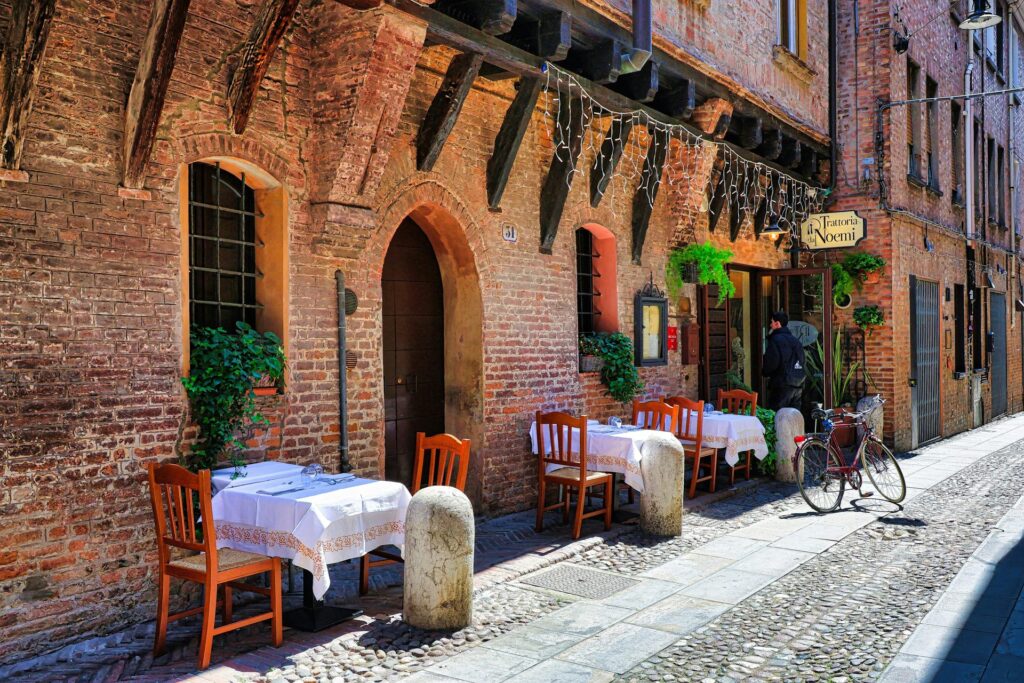
A little local knowledge can make your trip through Emilia-Romagna much smoother.
One thing that surprises many visitors is that restaurant hours still matter. Many restaurants close between lunch and dinner service, so don’t assume you’ll be able to order a full meal at any time of day.
Lunch is typically served from around 12:30 PM to 2:30 PM, while dinner often doesn’t begin until 7:30 PM or later.
Breakfast, for example, is usually lighter and quicker than many visitors expect, which is why understanding a typical Italian breakfast can make your mornings feel much less confusing.
Another useful thing to know is that restaurants won’t usually bring the bill unless you ask for it. In Italy, meals are meant to be enjoyed slowly, and waiters don’t want to make guests feel rushed. When you’re ready to leave, simply ask for it.
It also helps to learn a few Italian words before your trip. You don’t need to speak fluent Italian, but simple phrases like buongiorno, grazie, and per favore can completely change the tone of an interaction.
Cards are widely accepted throughout Emilia-Romagna, but carrying a small amount of cash is still a good idea. It can be useful at tabaccherie, local markets, village festivals, parking meters, or small family-run businesses.
FAQs
Is Emilia-Romagna worth visiting?
Absolutely. Emilia-Romagna combines exceptional food, beautiful cities, medieval villages, beaches, and authentic local culture, often with fewer crowds than Italy’s most famous destinations.
How many days do you need in Emilia-Romagna?
A week is ideal for first-time visitors, although even three to five days is enough to experience several highlights.
Do you need a car in Emilia-Romagna?
Not for major cities. However, a car is highly recommended for exploring villages and the countryside.
What is Emilia-Romagna famous for?
Parmigiano Reggiano, traditional balsamic vinegar, Ferrari, prosciutto, tortellini, Ravenna’s mosaics, and some of Italy’s most celebrated food traditions.
Final Thoughts
The secret to enjoying Emilia-Romagna isn’t trying to see everything. It’s deciding what kind of experience you’re looking for and building your itinerary around it.
Whether you’re here for the food, the beaches, the history, the countryside, or simply the slower pace of life, Emilia-Romagna has a way of rewarding curiosity.
And don’t be surprised if, before your trip is even over, you’re already planning your return.